
DEP – Cohort 2
Modern Ilongga
Created by Cultural & Creative DAO. Original version on Canva
Visayas Regional Profile
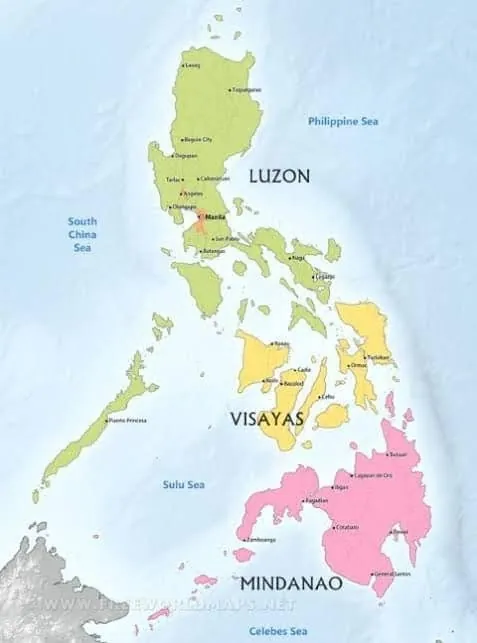
Visayas is home to diverse Indigenous Peoples communities, including the Ati, Tumandok, and Panay-Bukidnon, with many communities concentrated across the islands of Panay and Negros. Their cultures are deeply connected to ancestral lands, forests, agriculture, traditional crafts, and community-based ways of life.
Yet land displacement, development projects, modernization, and the loss of access to ancestral territories have placed growing pressure on these communities and their cultural heritage. From the Tumandok communities affected by development projects in Panay to ongoing land-rights struggles among the Ati, these histories continue to shape Indigenous life across the Visayas.
Today, their resilience continues through efforts to protect ancestral lands, preserve cultural traditions, and strengthen community-led development.
Hablon and the Women Weavers of Iloilo
Long before Iloilo became known for its vibrant textile industry, weaving was already a part of everyday life in Western Visayas. In the hands of local weavers, indigenous fibers were carefully transformed into cloth not simply as a craft, but as something deeply connected to the life of the community.
The word hablon comes from the Hiligaynon word habol, meaning “to weave.” It describes both the act of weaving and the beautiful handwoven textile that comes from it. According to the National Museum of the Philippines, weaving was already practiced in Western Visayas long before the arrival of the Spaniards. Early weavers gathered and worked with materials from their surroundings, turning natural fibers into clothing and other textiles needed by their communities.
But hablon was more than something people wore. The cloth became part of important moments in life. It could accompany a family celebrating the birth of a child, appear during a wedding, or even be present at a funeral. It was also exchanged through trade, giving the textile an economic value beyond the household.
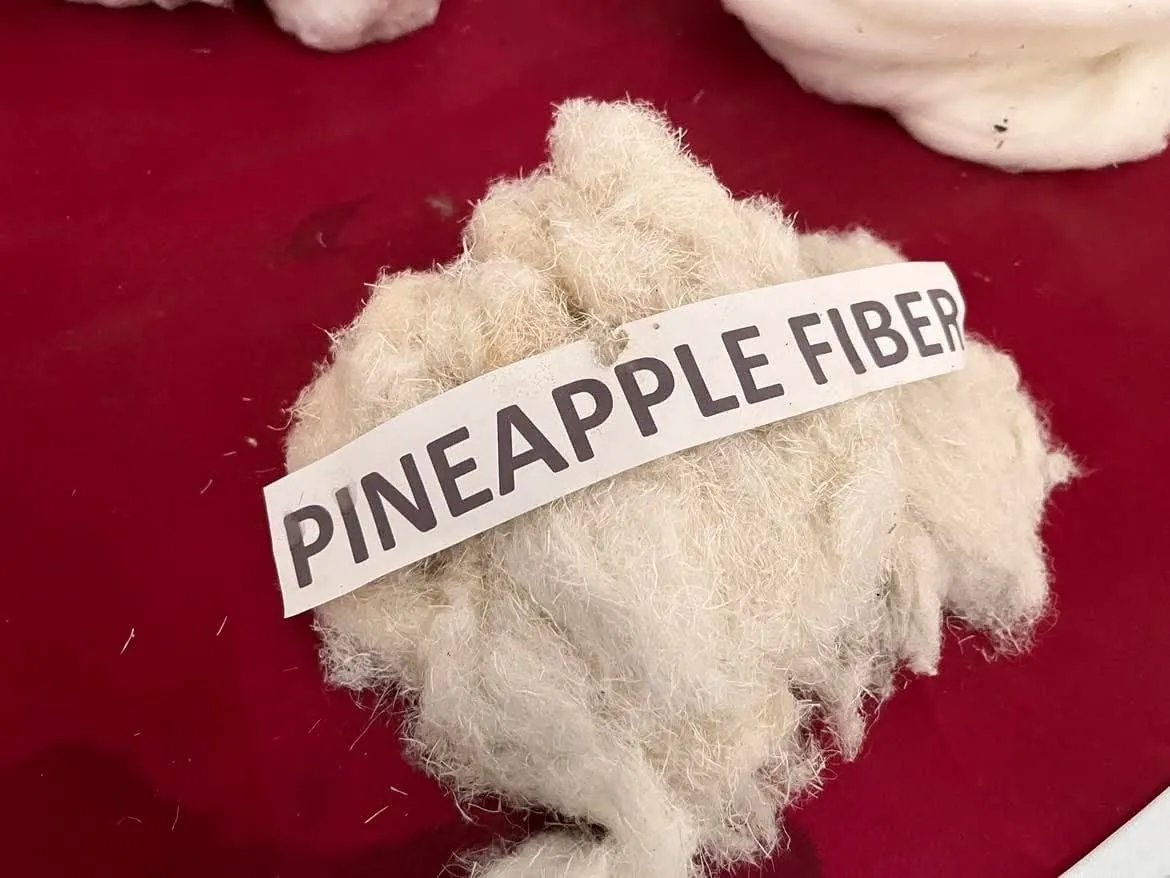
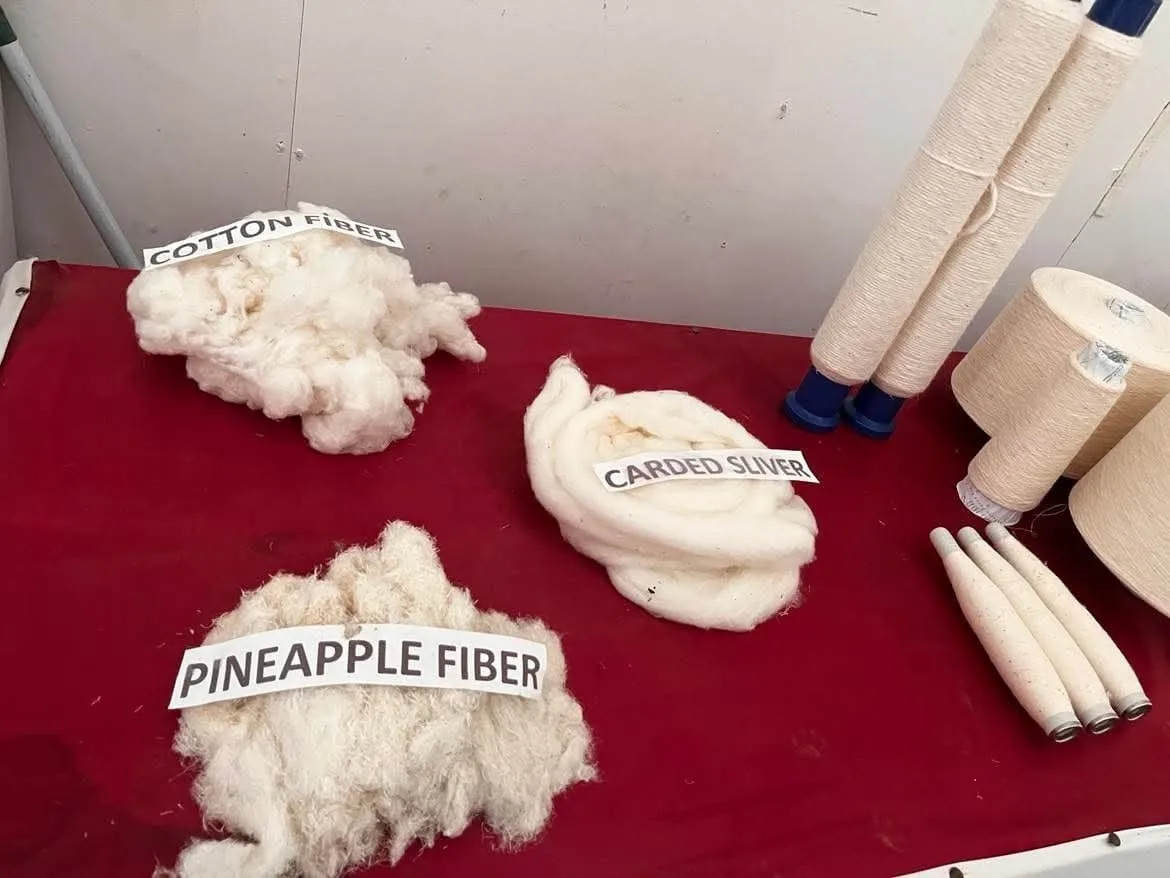
As communities grew and trade expanded, Ilonggo weavers encountered new materials through exchanges with Chinese merchants. Cotton, abaca, pineapple, and silk became among the fibers associated with the tradition of hablon production. These materials gave weavers more possibilities to create textiles while allowing the craft to develop alongside the changing communities around them.
In this way, the story of hablon did not begin in a market or a fashion boutique. It began in homes and communities, with weavers working patiently at their looms and creating cloth that was woven into the everyday lives of the Ilonggo people.
Before hablon appeared in exhibitions, modern fashion collections, and commercial spaces, it already had a story. It was a story of family, community, trade, tradition, and identity, a story woven, thread by thread, into the history of Iloilo.
When Iloilo Was the Textile Capital of the Philippines
As the Spanish colonial period unfolded, weaving in Western Visayas began to flourish. When the Port of Iloilo opened to international trade in 1855, the world beyond the islands suddenly became a market for Ilonggo textiles.
By the middle of the nineteenth century, Iloilo had earned a remarkable reputation as the textile capital of the Philippines. Thousands of people were involved in weaving, producing cloth that travelled to neighboring provinces and even reached Europe.
Textiles became Iloilo’s leading export in the 1850s, making up more than half of the province’s export value. For a time, Iloilo was at the heart of a thriving textile economy.
So, when we speak today of Iloilo’s creativity and craftsmanship, we are not talking about something new. It is a tradition with deep roots, a legacy woven into the province’s history.
From Weaving to Sugar
By the 1880s, the region’s attention began to shift toward sugar. Many Ilonggo entrepreneurs moved their money and businesses into the rapidly growing sugar industry. At the same time, cheaper machine made cotton from England began entering the market. Unlike handwoven cloth, which required time, patience, and skilled hands, machine-made fabric could be produced faster and in much larger quantities.
Slowly, Iloilo’s once-thriving handloom industry began to decline. Looms that had once filled homes with activity became quiet, and fewer families could depend on weaving for their livelihood.
But hablon did not disappear. Its survival came through the people who carried its knowledge. Women continued to weave, remember the techniques, and pass them down to their children. Hablon survived not because it remained a powerful industry, but because generations of Ilonggo weavers refused to let their tradition fade away.
Preparing the Threads
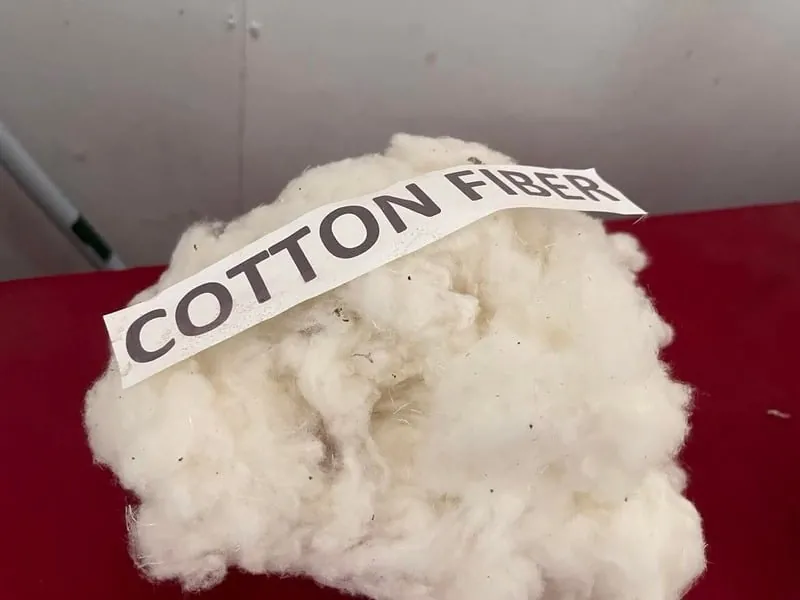
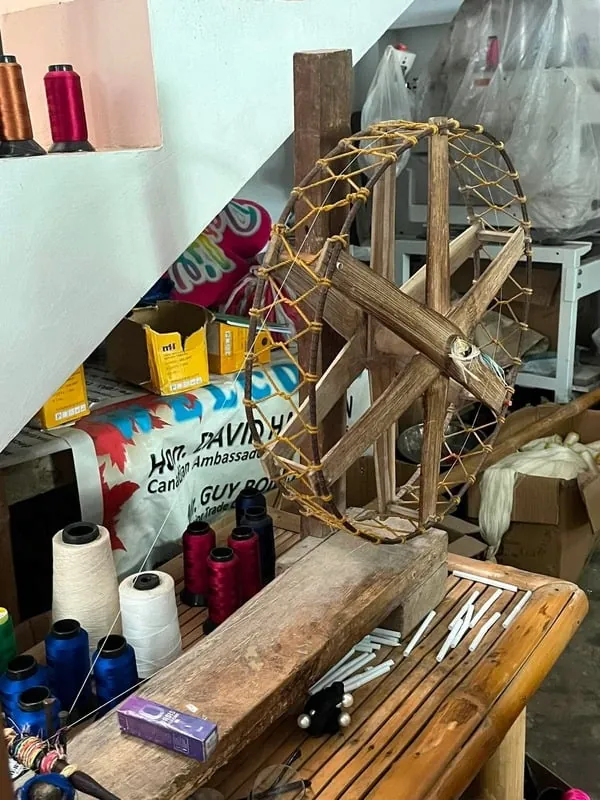
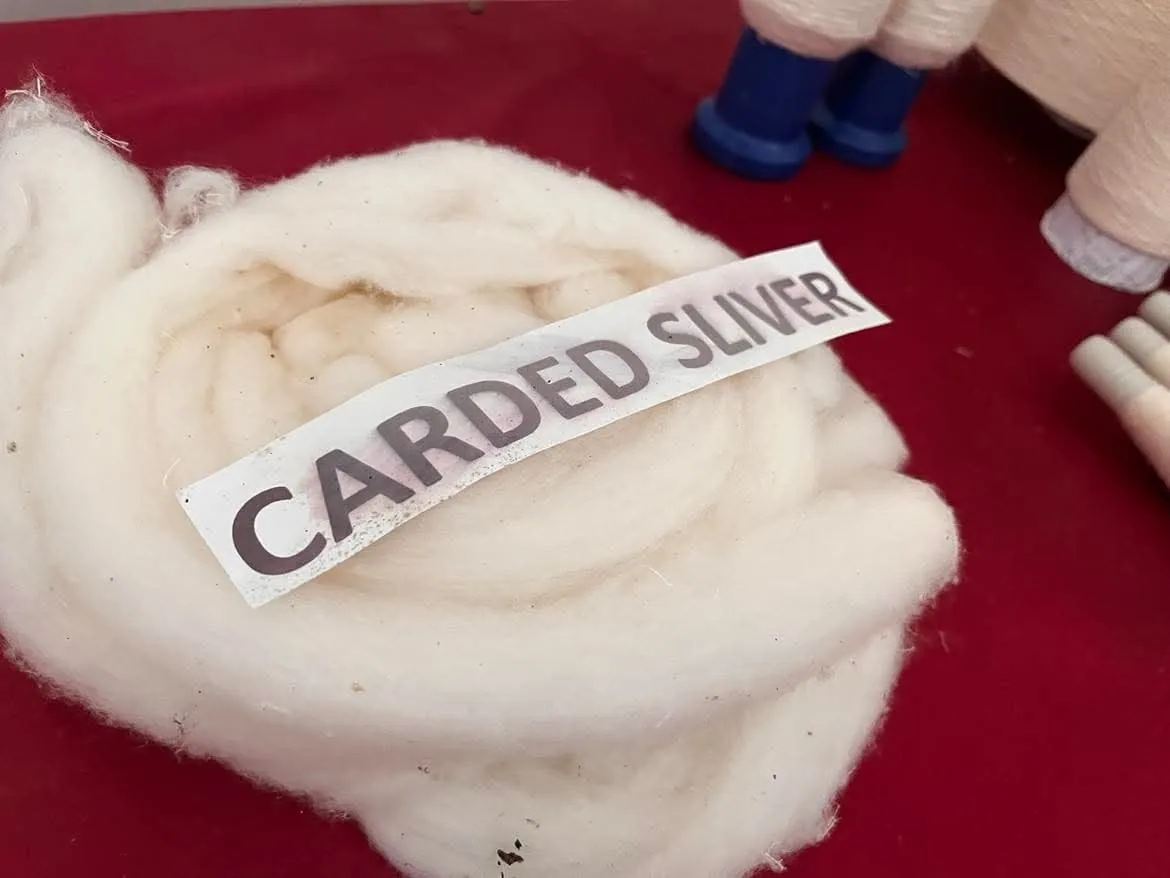
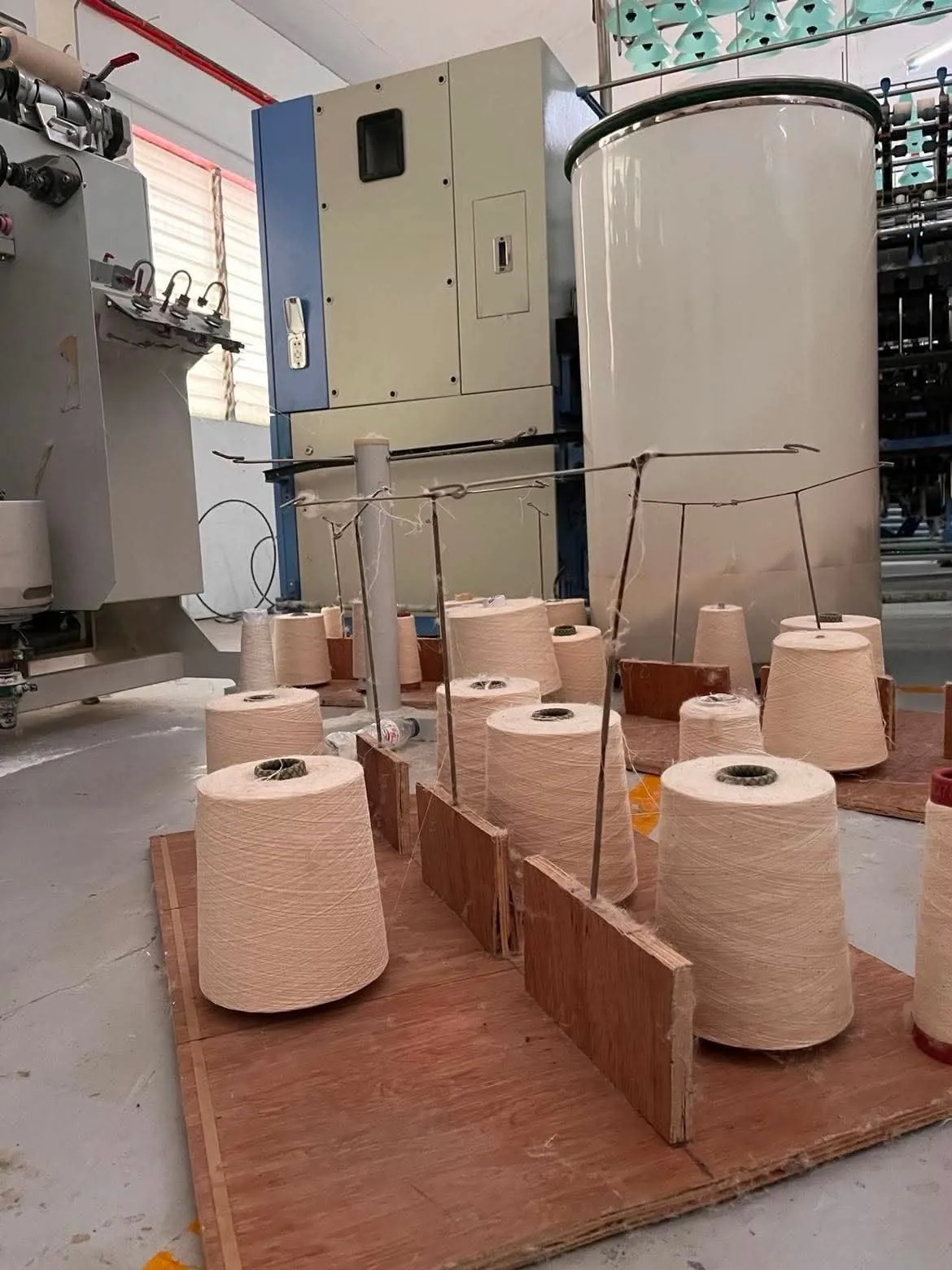
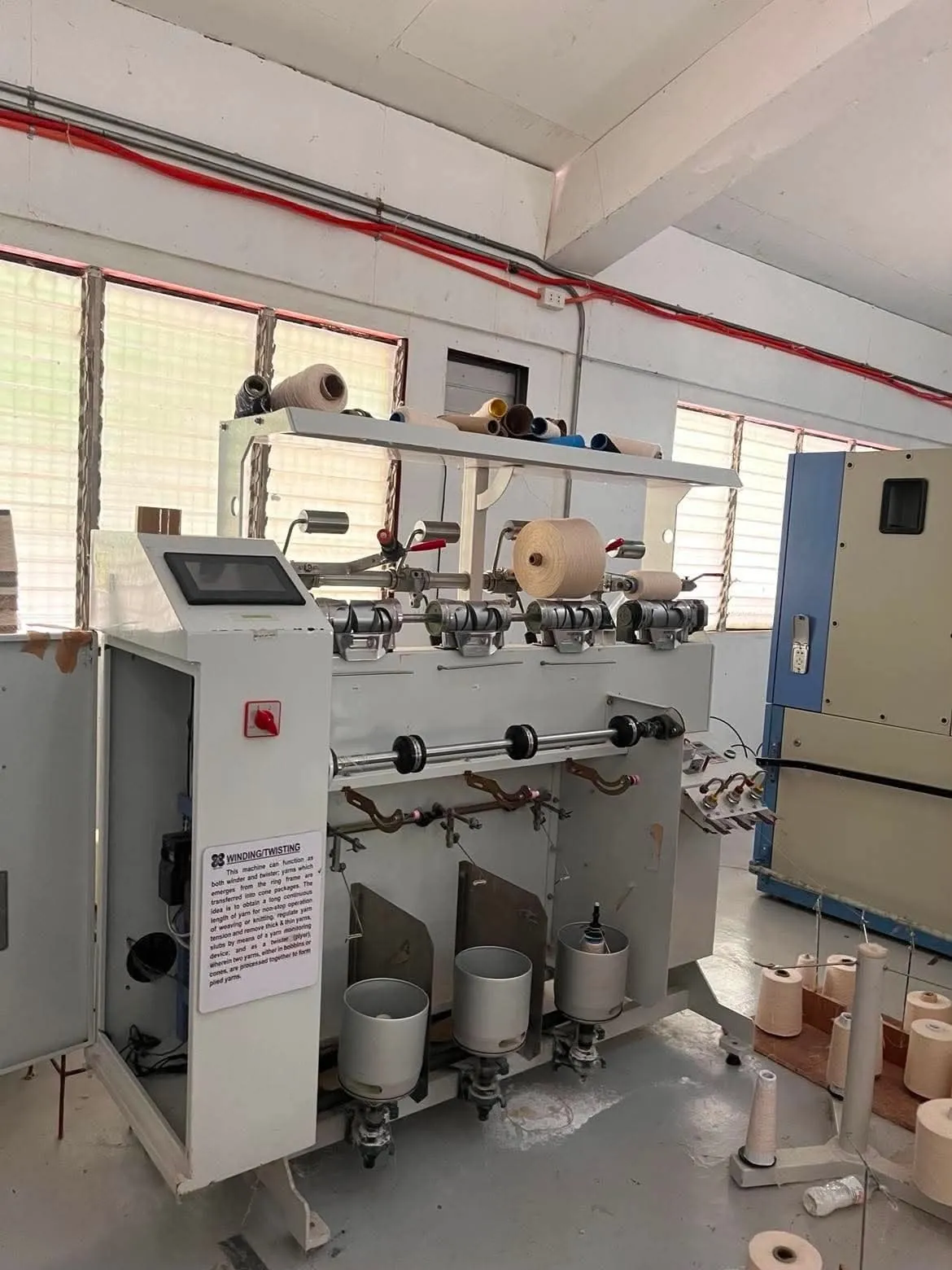
Before the weaving begins, the threads must first be prepared. Cotton and other natural fibers are cleaned, processed, and spun into yarn, while weavers may also use commercially available threads depending on cost, supply, and the needs of their customers.
Then comes the careful work of preparing the warp, the foundation of the cloth. Women measure, count, group, and arrange hundreds of threads, a process that can take an entire day.
Every thread must be in its right place. Long before the loom begins to move, the hands of these women have already shaped the design of the cloth.
Colors Drawn from Life
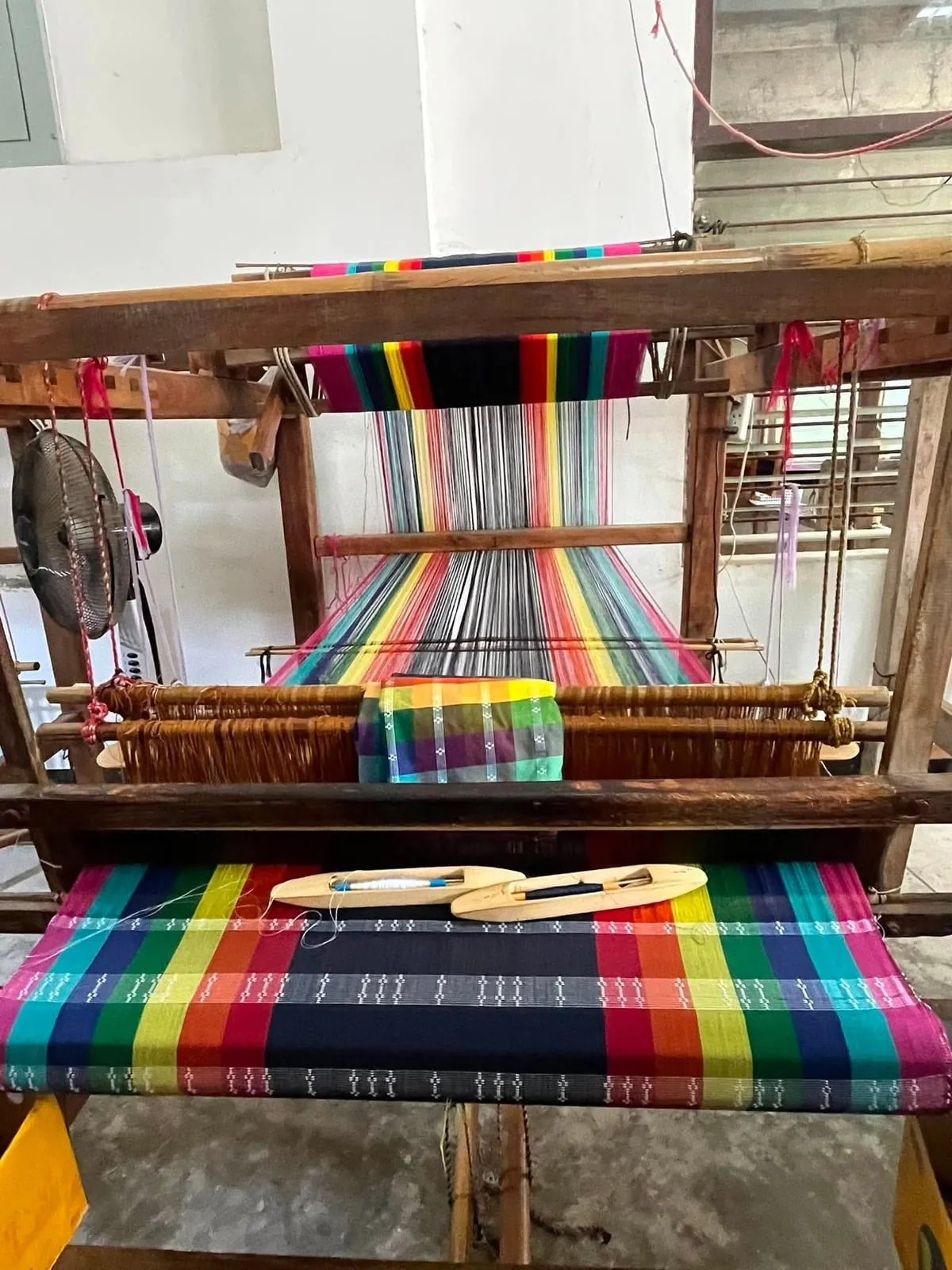
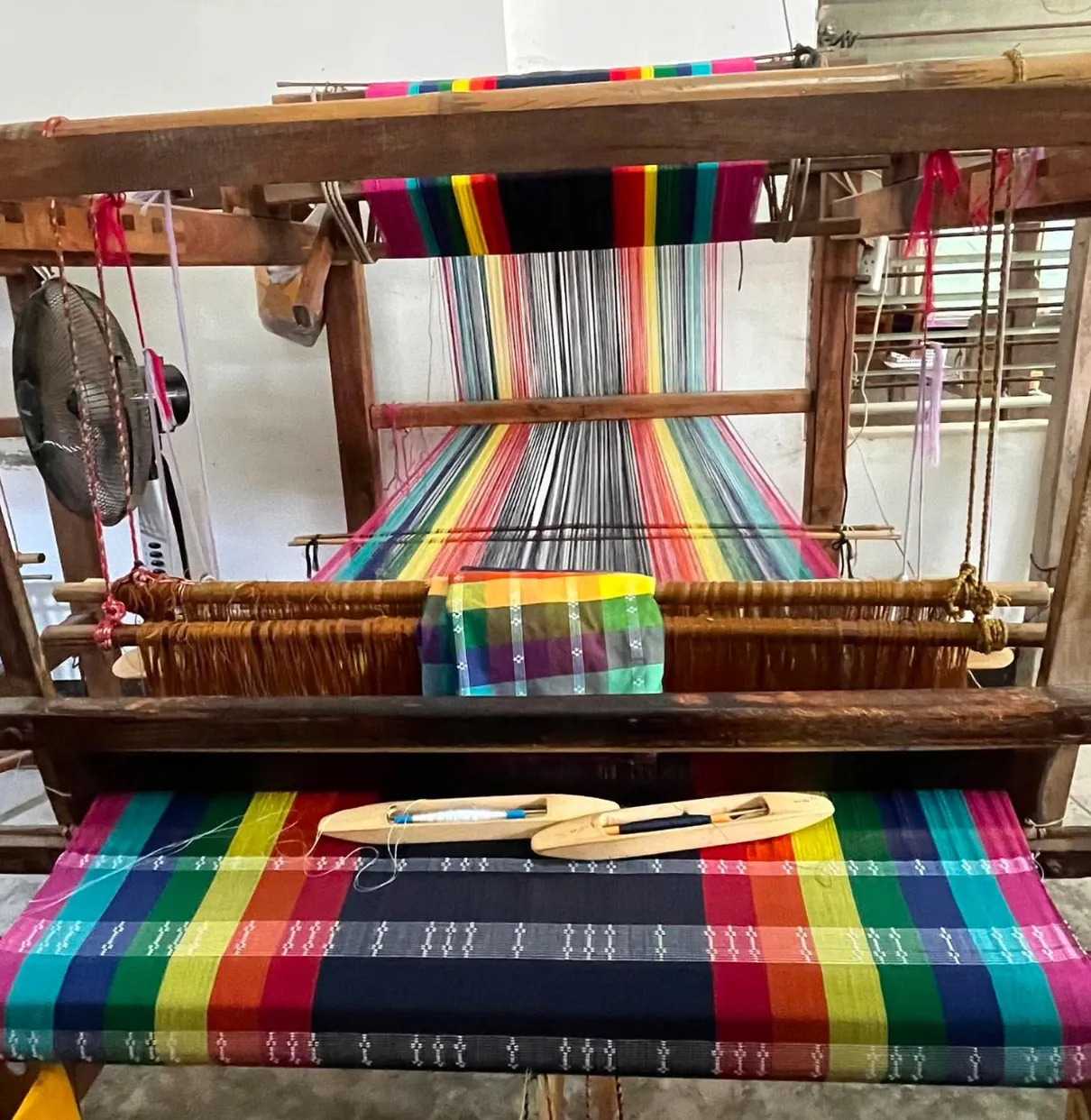
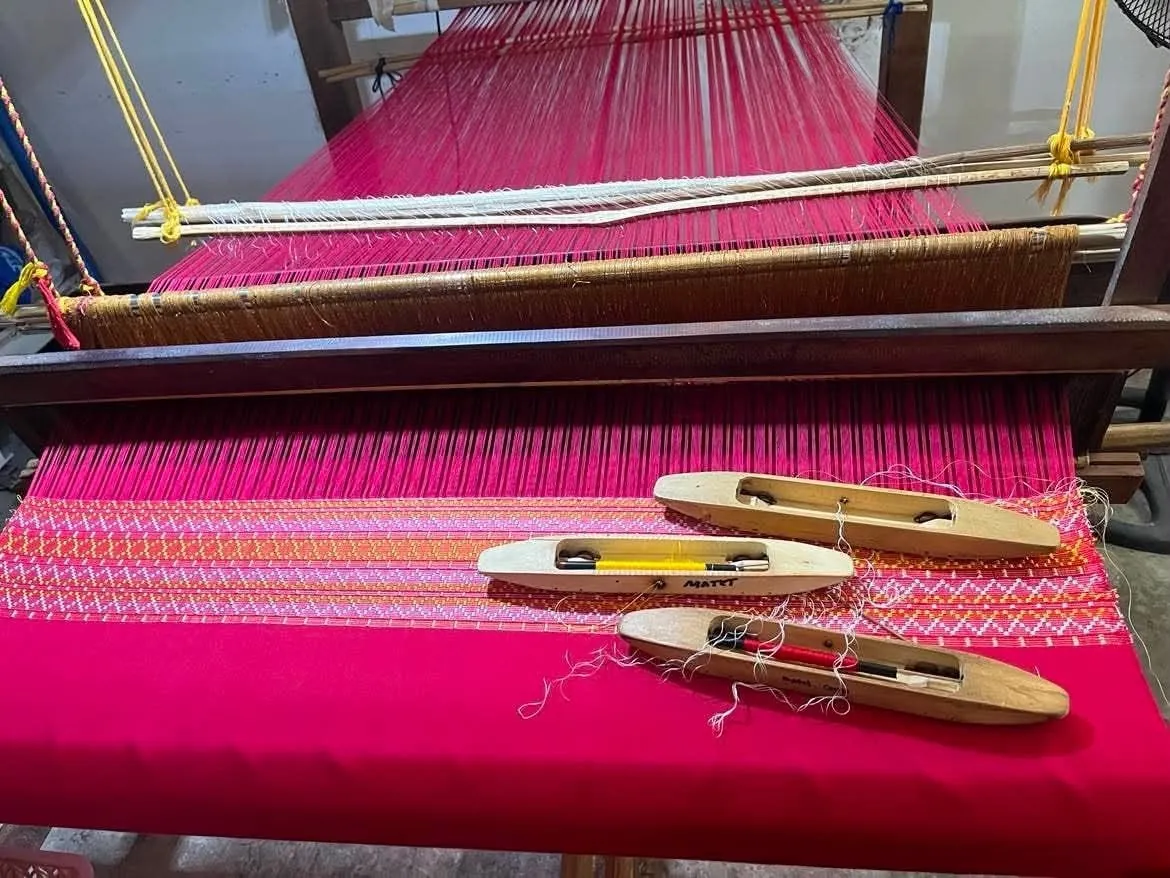
Look closely at the loom, and you might think you are looking at a rainbow. But these colors are more than just beautiful shades. Each one is carefully chosen by the weaver. Some come from the threads available, others from what customers ask for, while some simply reflect the weaver’s own taste and inspiration.
The colors can also tell stories of the world around them, the flowers, the sea, the sky, the fields, celebrations, and everyday life.
And as the threads cross one another, the weaver brings them together, deciding which colors should meet, contrast, and repeat.
In the hands of the weaver, simple threads become a story of color.
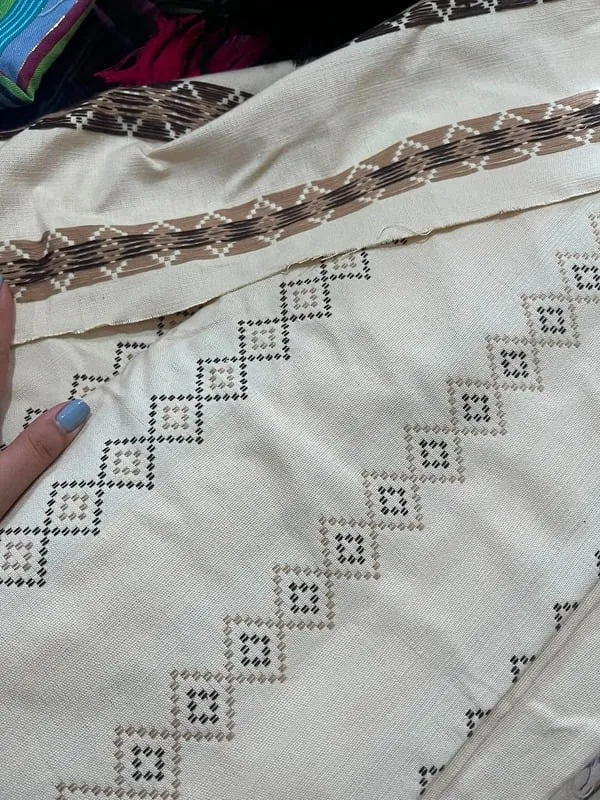
Many of the designs have been part of their weaving tradition for decades, the knowledge of creating stripes, checks, and other arrangements has been passed down through generations. But the designs are not simply copied without thought. The women continue to interpret them through new colors, combinations, and patterns.
The Woman Behind the Loom
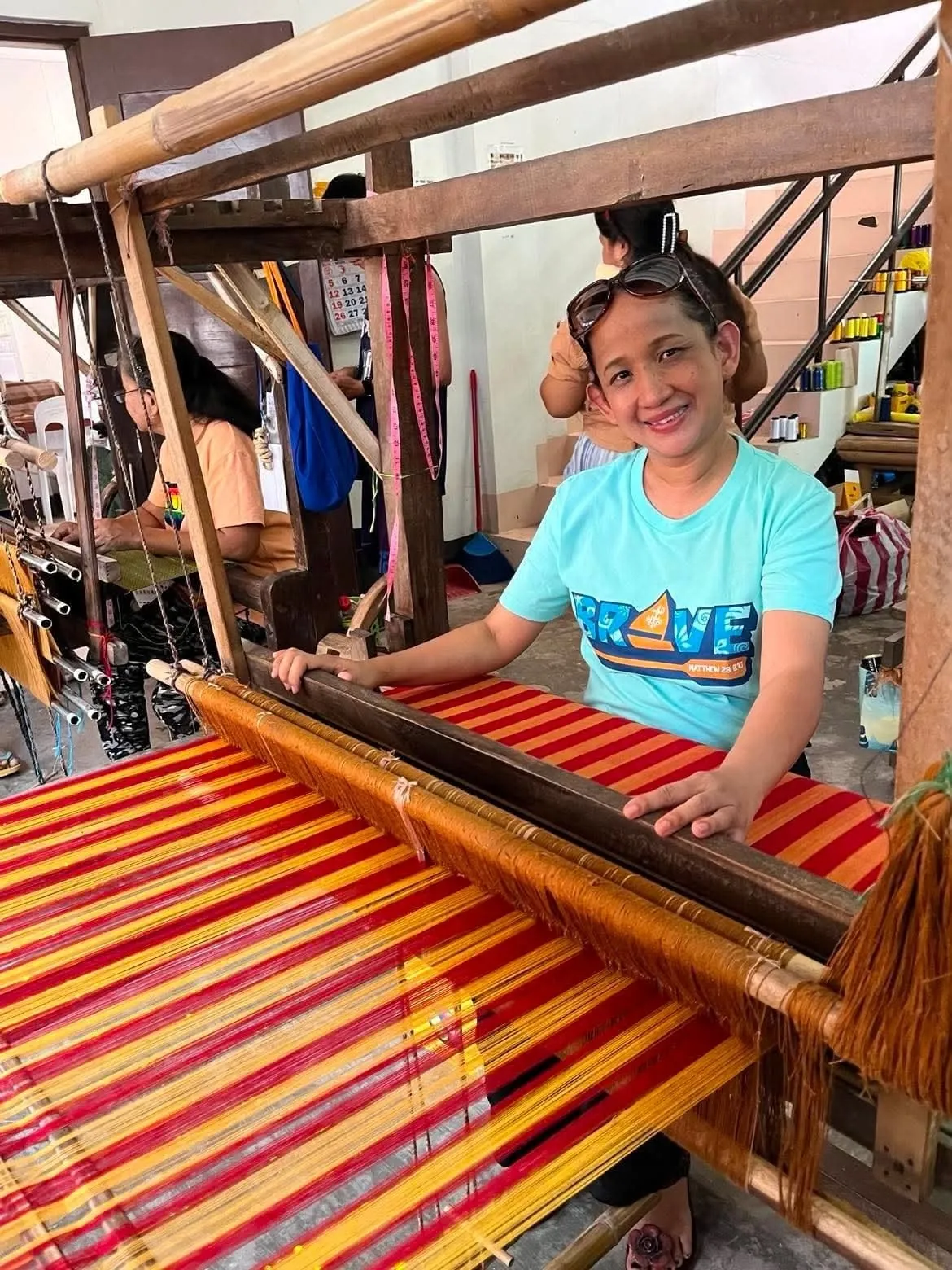
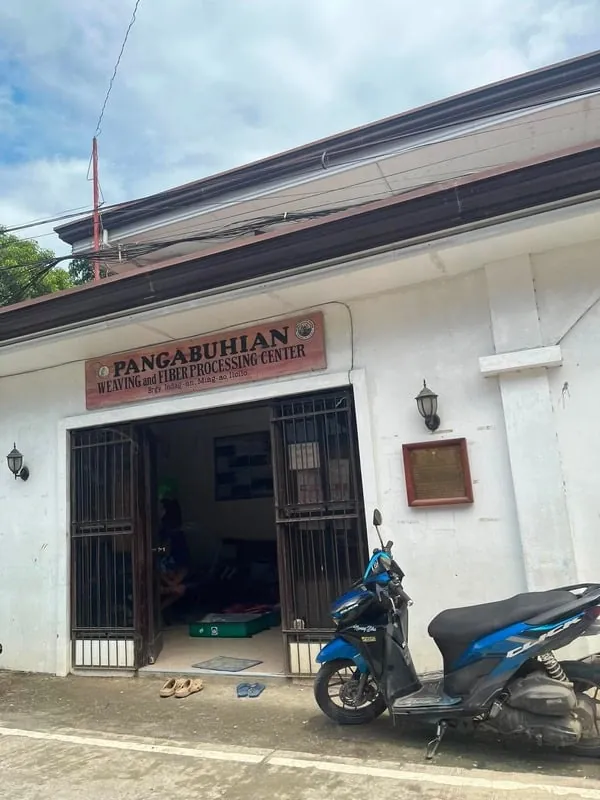
In Miagao, hablon has long been a women-led tradition. Older weavers pass their knowledge to younger generations, turning the loom into a place where skills, memories, and traditions are preserved.
With practiced hands, feet, and eyes, the weaver carefully controls every thread, pattern, and tension. What looks like a simple piece of cloth is actually the result of years of knowledge and experience.
Today, hablon is gaining new attention in local and international markets. But for the tradition to survive, weavers need more than recognition, they need fair pay, steady orders, materials, training, and opportunities to grow their craft.
The History of Hablon Mirrors the History of Iloilo Itself
Hablon began as a simple part of everyday life. It grew into an industry that made Iloilo famous, declined with the rise of sugar and machine-made fabrics, but survived through the knowledge and determination of women.
Today, hablon is finding new life in fashion, design, tourism, exhibitions, and new markets. But its future depends on the women who continue to weave it.
Just like individual threads coming together on the loom, each weaver carries a story, a skill, and a tradition. Together, they create something greater, a cultural legacy that continues to grow.
To preserve hablon is not simply to preserve a fabric. It is to honor the women who have carried its history and give them the opportunity to weave its future.