
DEP – Cohort 2
Balay Kasamtangan
Created by Cultural & Creative DAO. Original version on Canva
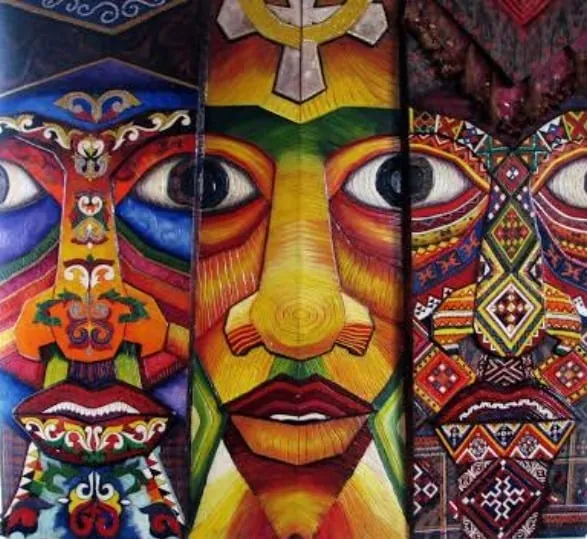
Mindanao Regional Profile
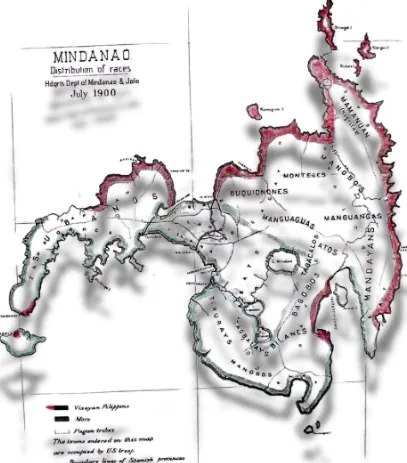
Mindanao is an island-region of the Philippines composed of over 30 indigenous and Moro ethnolinguistic groups. These are broadly categorized into 18 Lumad (non-Muslim indigenous) tribes, 13 Moro (Muslim) tribes, and various tribal subgroups.
Despite being proud and unconquered peoples, rapid introduction of globalization and settlerhood reliant economies decided by the Philippine government have caused displacement and conflict among these communities that remains a deep scar in Mindananon History.
Culture
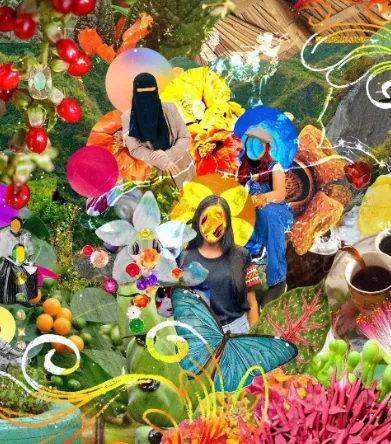
As an island-region with diverse ethnolinguistic groups, Mindanaon culture is rich with unique rituals, languages, and aesthetics.
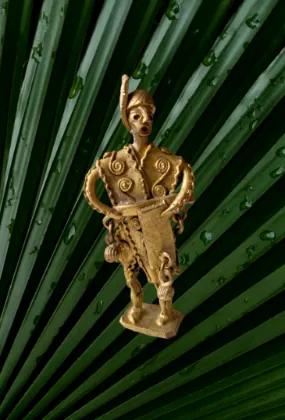
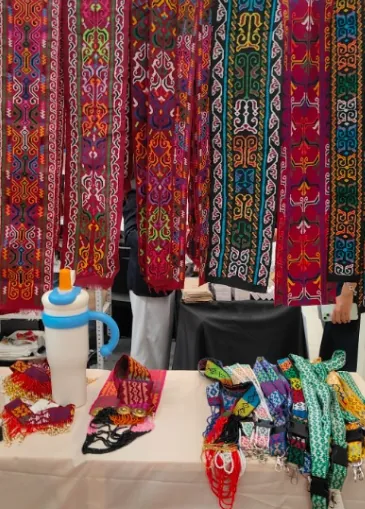
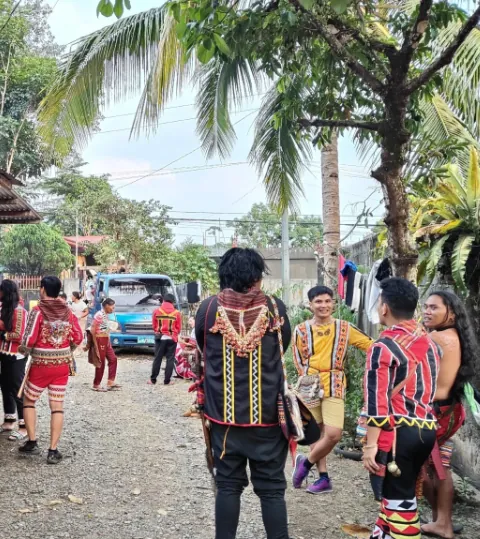
Central Mindanao bear the Lumad (Bisaya for “of the land”) groups. Colors of red, black, white, yellow, and blue along with a variety of geometric shapes across their attire indicate their tribe.
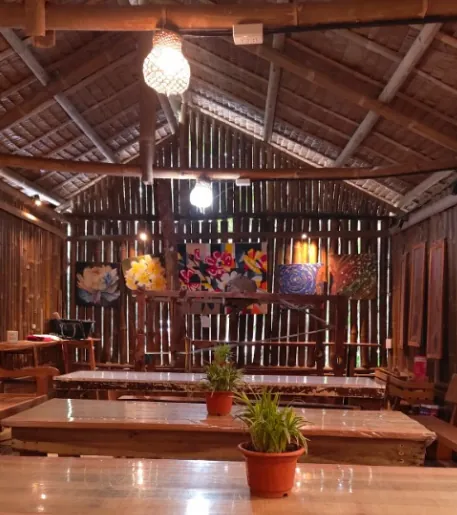
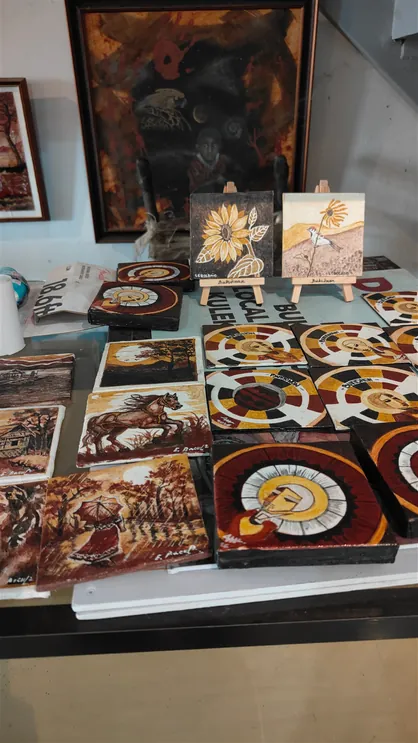
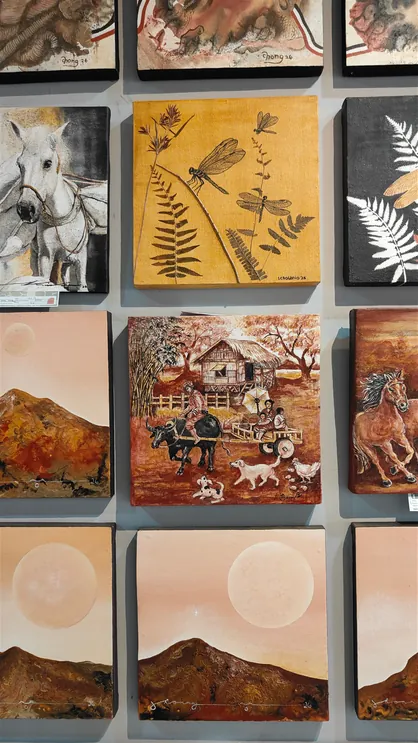
Lambagan Gallery
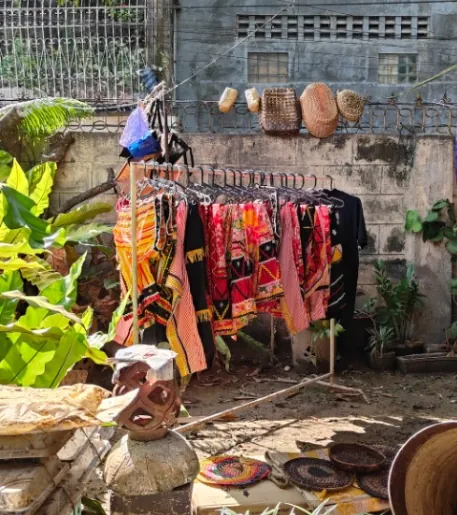
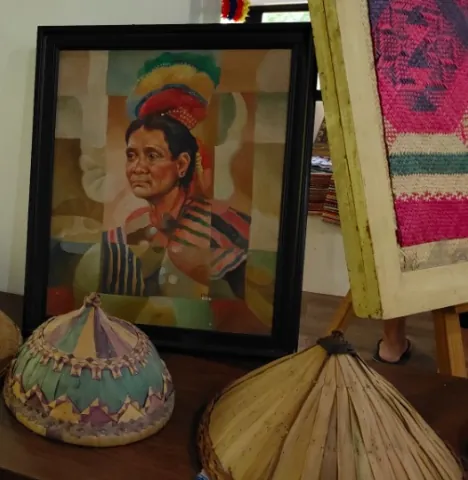
Livelihood
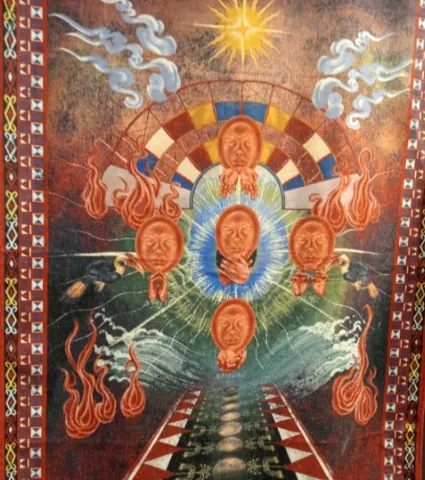
Mindanao’s livelihoods are largely based on agriculture, fishing, mining, and traditional handicrafts, with farming being the main source of income and the region serving as a major food-producing area of the Philippines.
Strengths
Mindanaons preserve their cultural identity, languages, heritage, and deep connection to nature despite globalization, while defending their land, welcoming others, and striving for recognition and self-preservation.
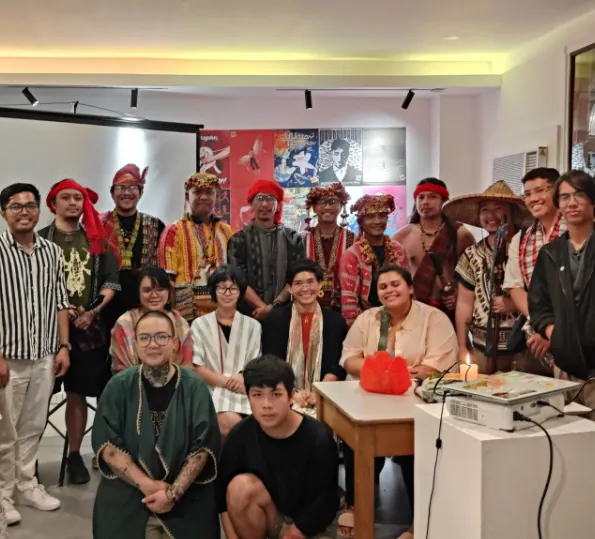
Traditional Instruments
Group playing the “bangkakawan” — a long log played as percussion
A jam at Sir Peepow’s home using traditional instruments: flute, dabakan (drum) and two kudyapi (stringed instrument)
Cultural Identity
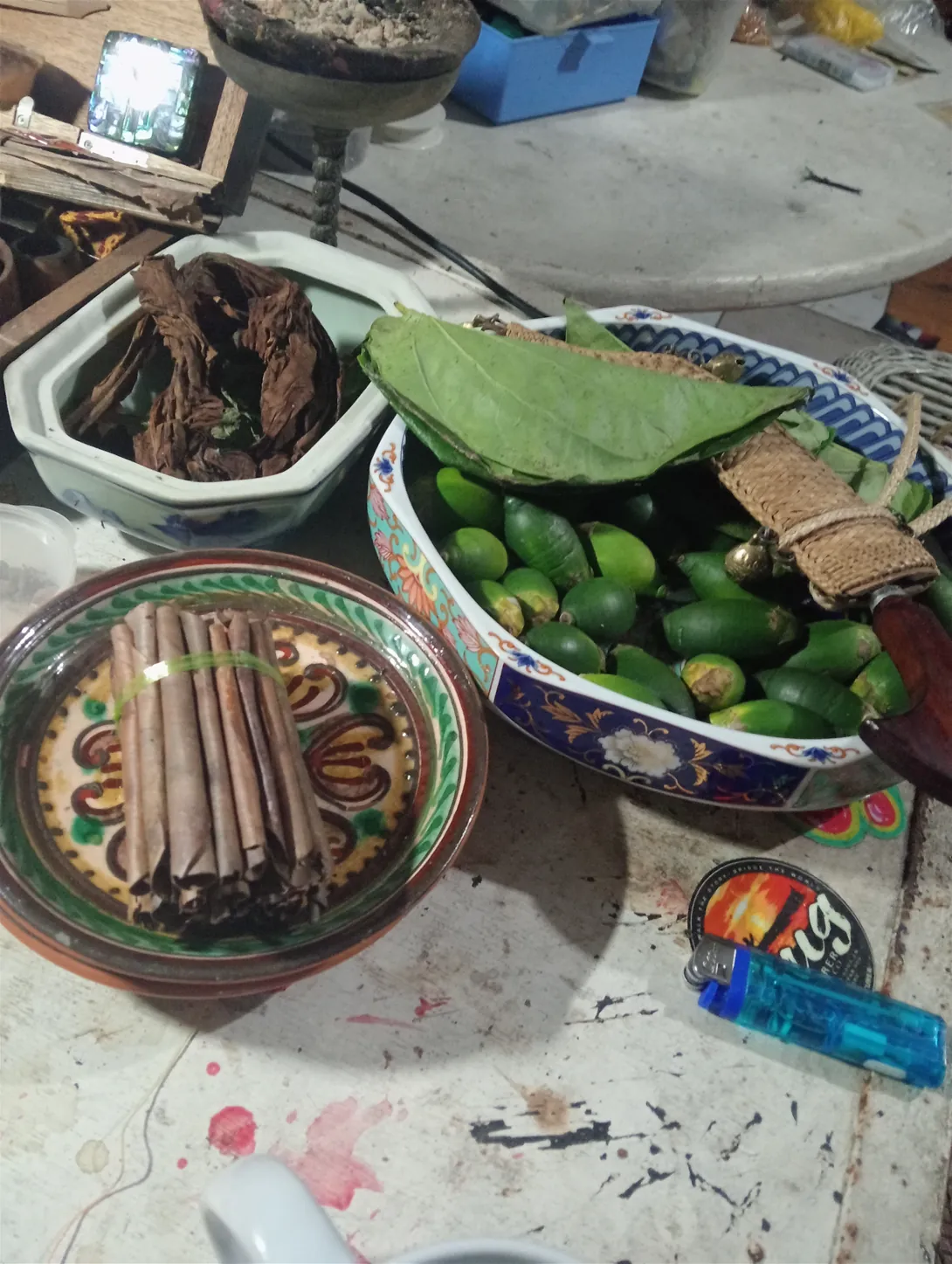
Mindanaons preserve their cultural identity, languages, heritage, and deep connection to nature despite globalization, while defending their land, welcoming others, and striving for recognition and self-preservation.
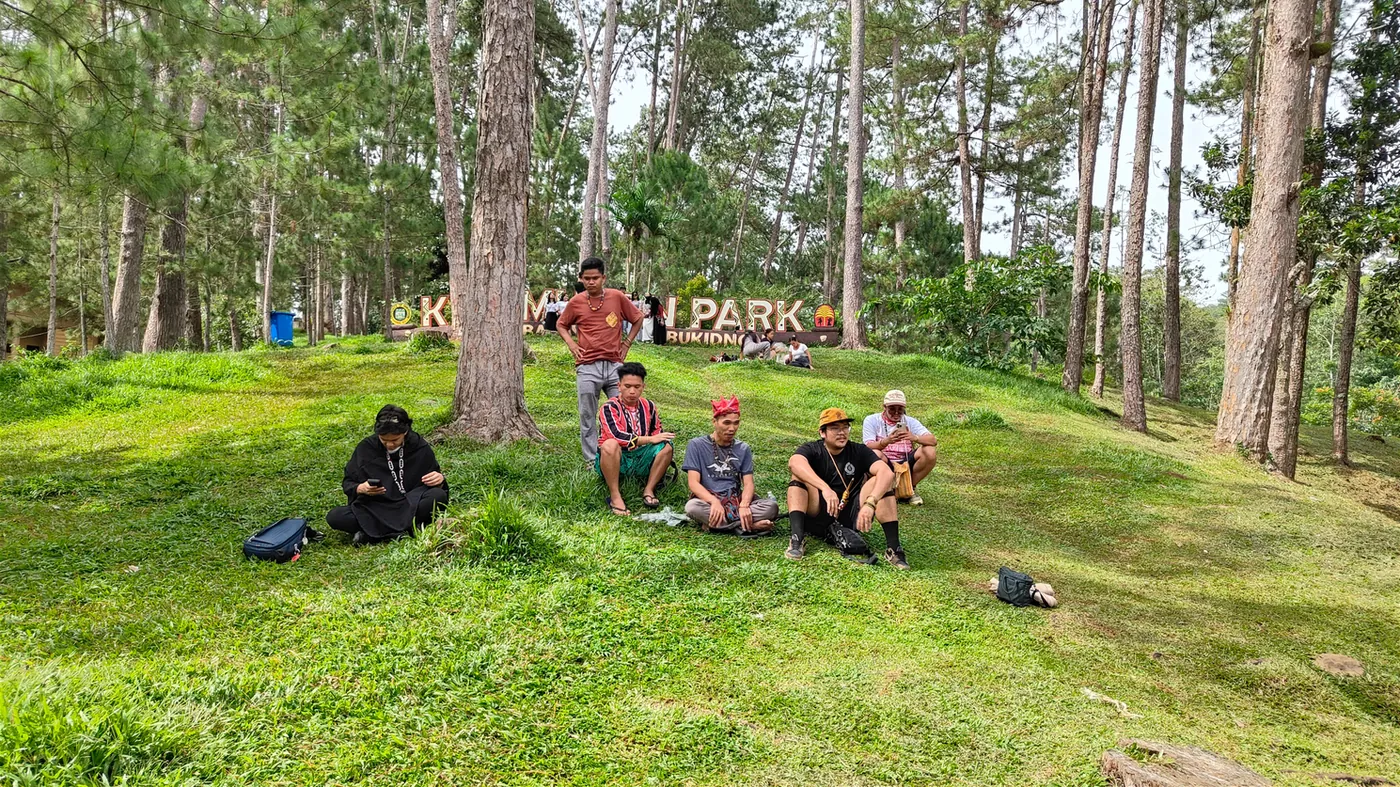
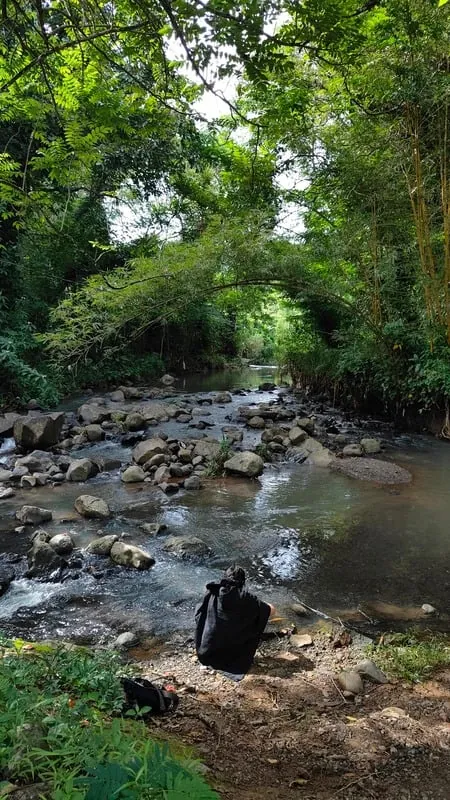
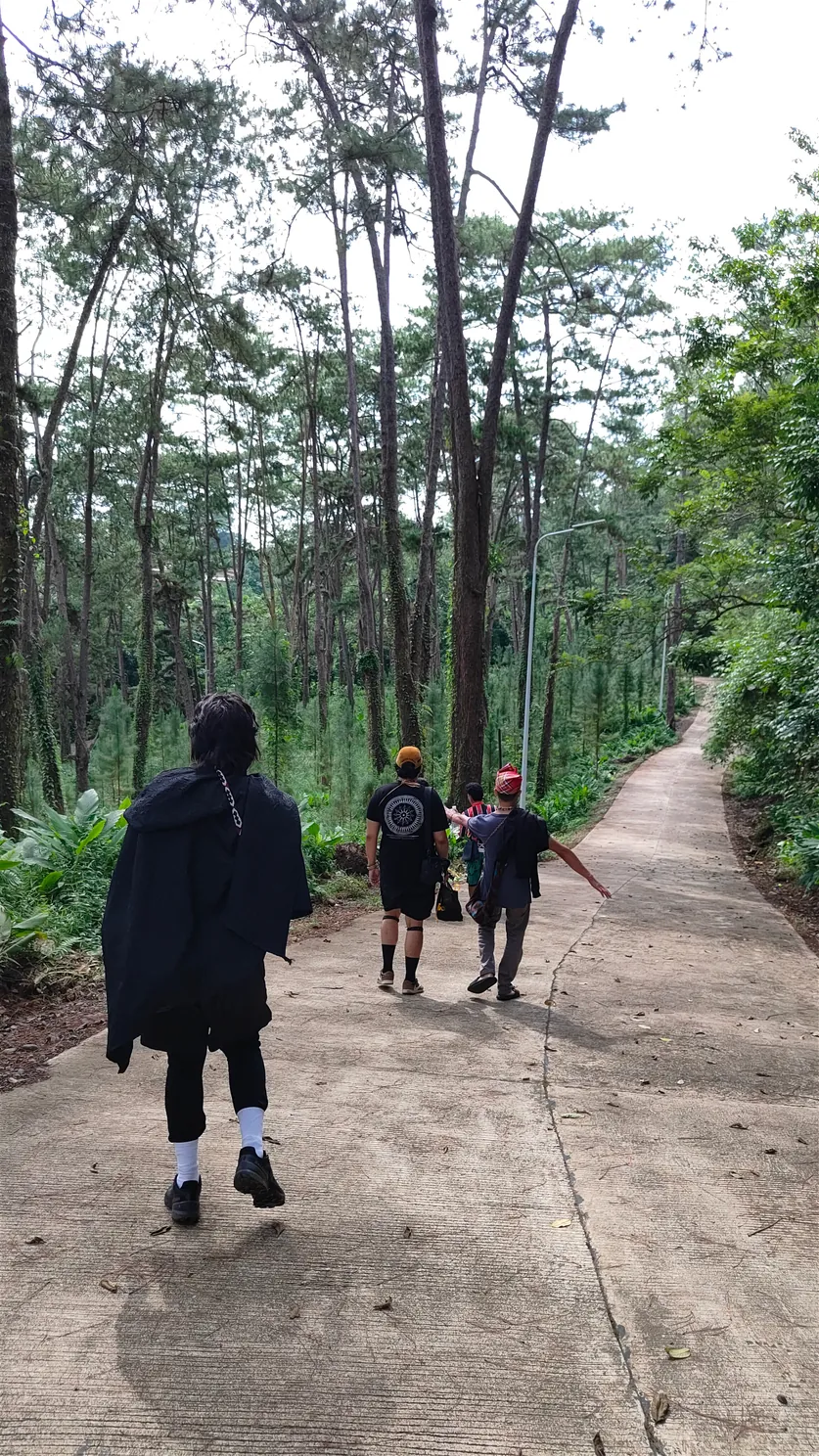
Rooted Through Gagaw: Matigsalug Community
Adey Ilagan, a 26-year-old Sociology graduate from Sitio Luhawon, Kalagangan, San Fernando, Bukidnon, shares how Matigsalug culture continues through elders, youth, and the principle of gagaw—the grounded principles of love.
For Adey, elders are living keepers of culture. Younger generations learn by watching, listening, asking questions, and participating. What they receive is then passed on to those who come after them.
“We pick up things our elders teach us, we ask questions, and we share it with those younger than us.”
Adey believes that cultural knowledge can only survive when people remain open to one another, especially across generations.
“Without gagaw, the culture will never survive with closed hearts.”
His story reminds us that cultural continuity is more than preserving traditions. It is about how people love, teach, listen, and share knowledge. Through these relationships, Matigsalug cultural knowledge continues to move from one generation to the next.
Contributor: Adey Ilagan
Turning Stereotypes into Strength
Ian Mark Marte is a Higaunon community member and Bachelor of Arts in Sociology graduate. Surrounded by culture bearers, he considers cultural preservation a daily responsibility and remains rooted by actively practicing and promoting his heritage.
His passion grew from experiencing stereotypes and discrimination toward Indigenous people. Rather than allowing these experiences to discourage him, Ian uses them as motivation to show that Indigenous identity is not a hindrance to growth, development, or achievement.
For Ian, preserving Higaunon culture means embracing identity with pride while inspiring others to recognize the potential within Indigenous communities.
Carrying Umajamnon Heritage Forward
Ellen Tilucan Guinombay is a young Umajamnon woman from Sitio Saluringan, Bukidnon, and a community development student at Bukidnon State University. As part of the Mindanao Nodes, her story reflects the continuing connection between Indigenous heritage, education, and the aspirations of younger generations.
Growing up, Ellen learned the Umajamnon language, traditions, and cultural practices from her family and community elders. These teachings remain an important part of her identity as she pursues her education and prepares for her future.
For Ellen, education and modern opportunities do not mean leaving her culture behind. Instead, they provide new ways to carry her heritage forward. Through her journey, she represents a generation that is learning to preserve Indigenous knowledge while engaging with the wider world.
Her story reminds us that cultural heritage remains alive when it is remembered, practiced, protected, and passed on. Through young people like Ellen, the teachings of elders and the memory of ancestors continue to find a place in the present and future of the Umajamnon community.
Carrying Umajamnon Legacy Forward
Joco Tilocan is a fourth-year Sociology student from Cabanglasan and a member of the Umajamnon community. As a basbasenen, or Datu in training, he sees cultural leadership as a responsibility to preserve and share Umajamnon traditions.
Through traditional dance and community practices, Joco promotes pride in Umajamnon identity, especially among young people. Living in the city has strengthened his appreciation of his heritage and his commitment to learning from the community’s elders.
“Let us not be ashamed, because these are gifts that our elders kept for us before they went on.”
Carrying Culture Forward
Jeah Calipay, 19, is a Sociology student from San Vicente Cananga-an, Cabanglasan, Bukidnon. As a young Umajamnon, she navigates modern life while maintaining a strong connection to her cultural roots.
Jeah recognizes the influence of social media and technology on young people, but she believes modern life does not have to mean losing one’s identity. Her family continues to remind her of where she comes from, while regular communication and visits home help her stay connected to her community.
“Even though I study here in Malaybalay, I still make time to communicate with my family and go home to my community.”
For Jeah, staying rooted means embracing change while carrying her culture with her wherever she goes.