
DEP – Cohort 2
Kawayan Collective Tarlac
Created by Cultural & Creative DAO. Original version on Canva
Luzon Regional Profile
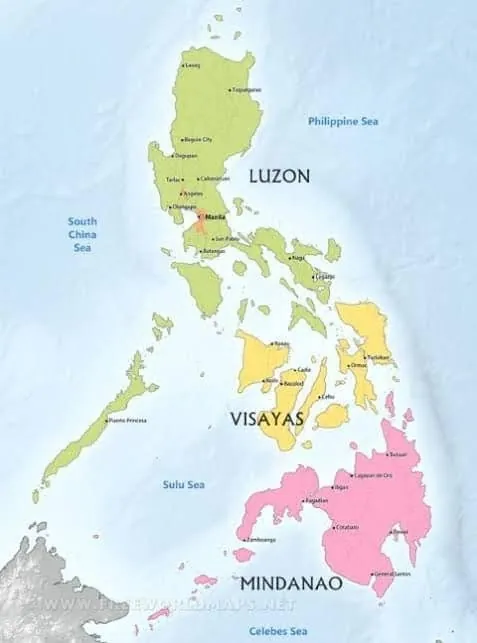
Luzon is home to diverse Indigenous Peoples communities, particularly across the Cordillera highlands and Northern Luzon, including the Ifugao, Kalinga, Bontoc, Ibaloi, Kankanaey, Aeta, and other ethnolinguistic groups. These communities have preserved distinct languages, traditions, agricultural practices, and strong relationships with their ancestral lands.
However, the expansion of mining, hydropower, infrastructure, and other development projects has placed pressure on ancestral territories, livelihoods, and cultural heritage. These challenges have also sparked generations of community-led resistance and advocacy for land rights and self-determination.
Today, these histories of resilience continue to shape Luzon’s Indigenous communities and their efforts to protect their territories, cultural expressions, and ways of life.
The Bamboo Story
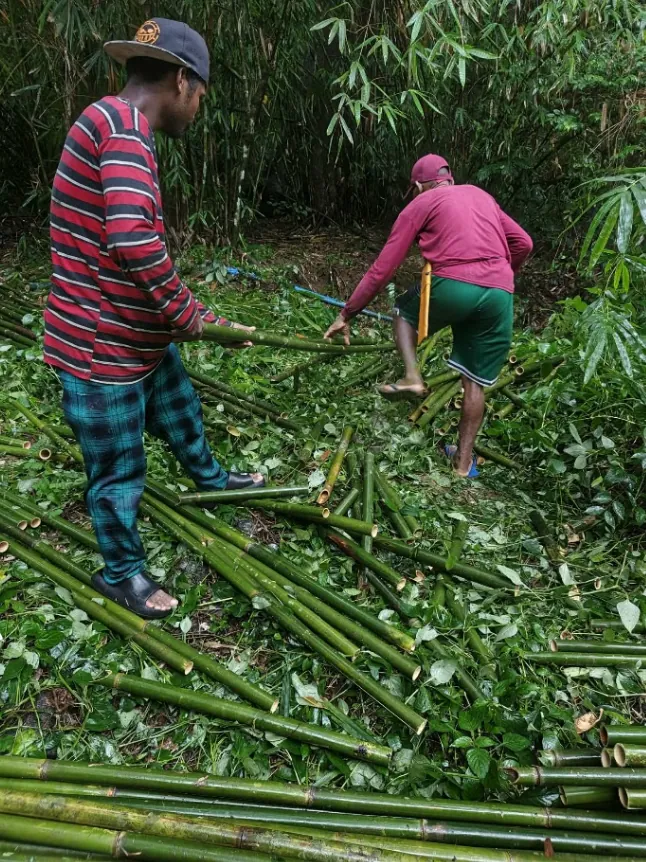
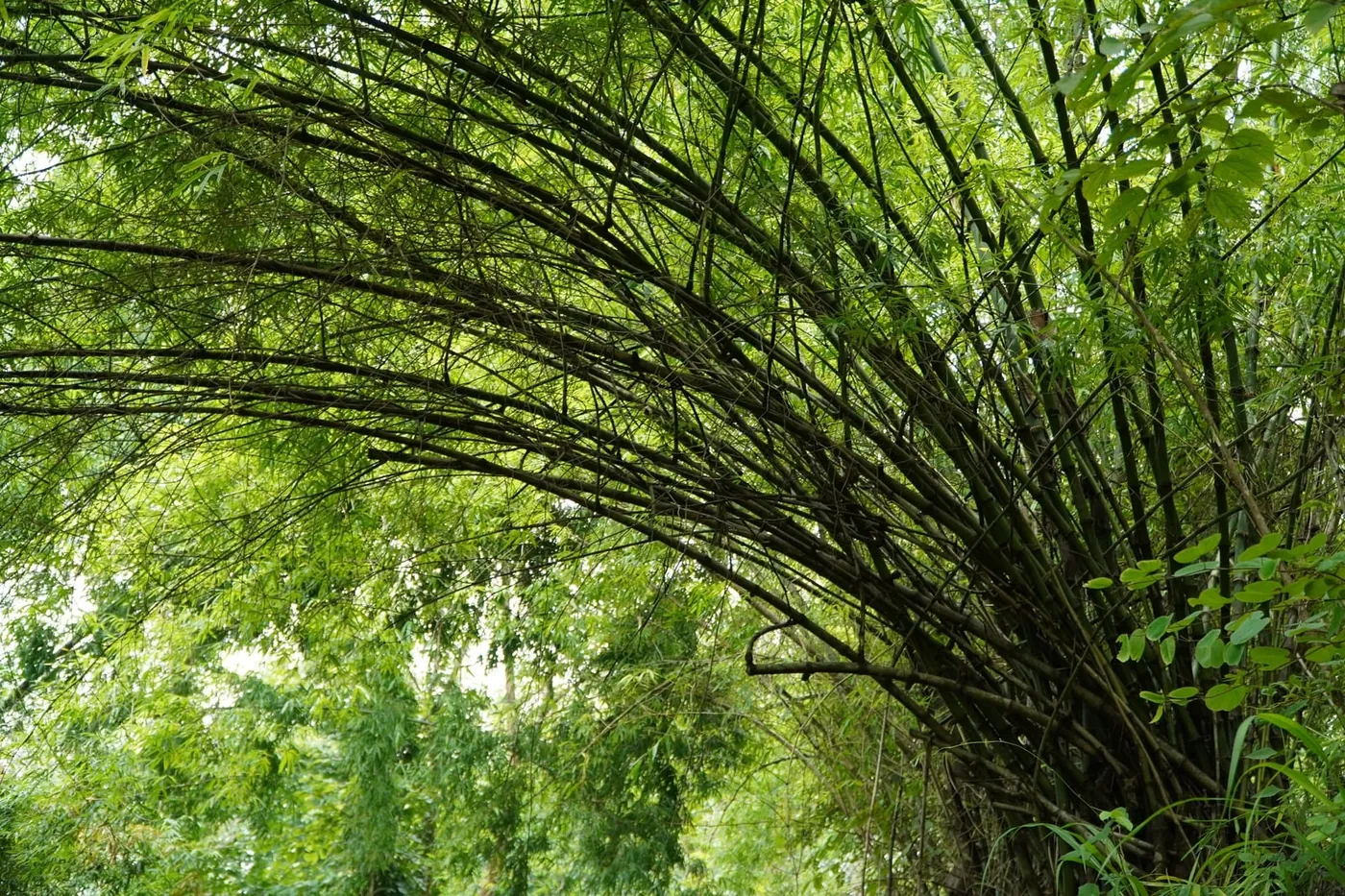
Bamboo is more than a natural resource, it is a source of livelihood, food, cultural knowledge and community development, connecting people from the forest to their homes and wider partnerships.
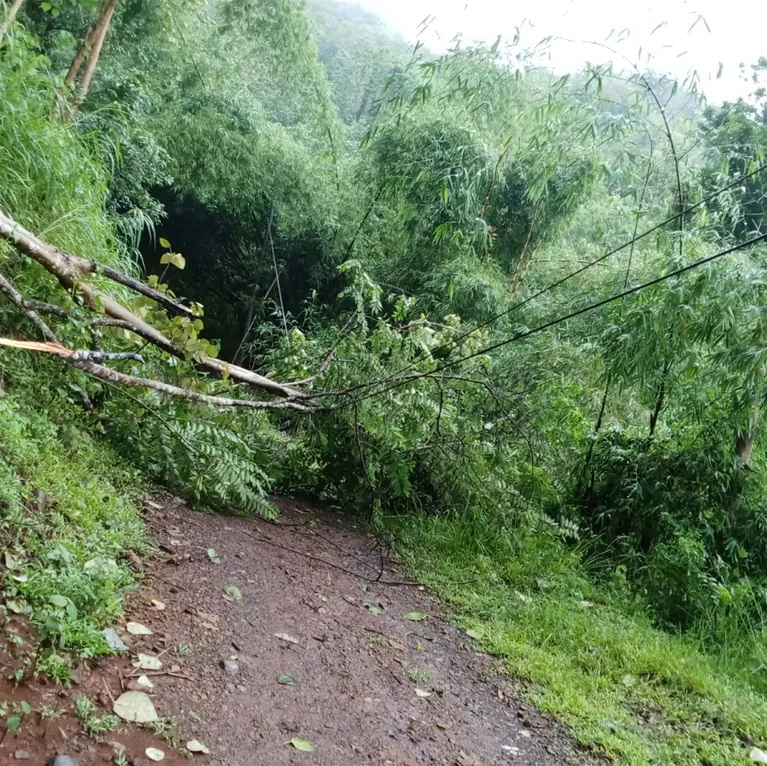
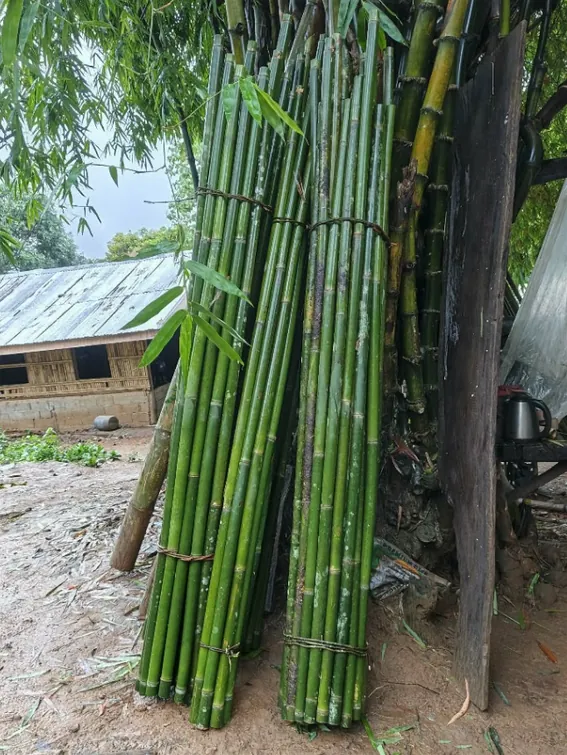
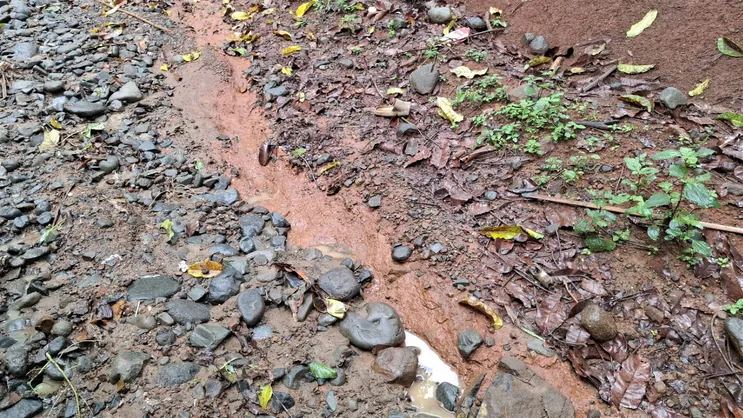
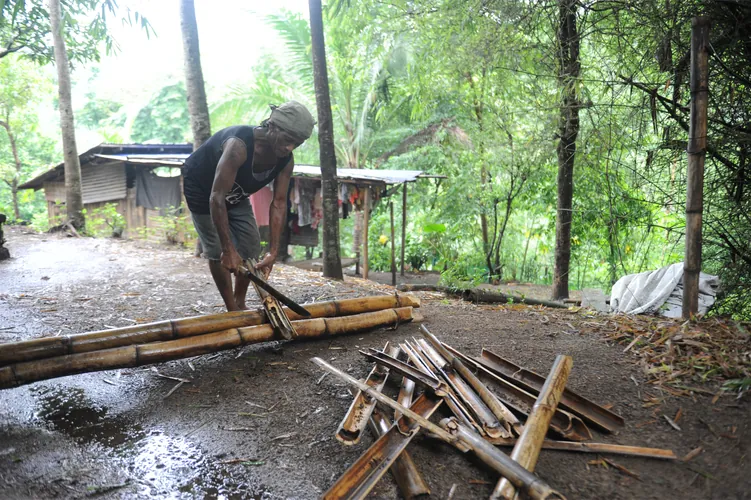
Bamboo is traditionally harvested during the dry season because it has lower starch content and is less vulnerable to pests, while dry conditions make transportation easier and harvesting safer. However, demand from lowland partners has led to year-round harvesting, even during the rainy Gawat season, as bamboo’s natural beauty makes it attractive to resorts and homes and provides an important livelihood opportunity.
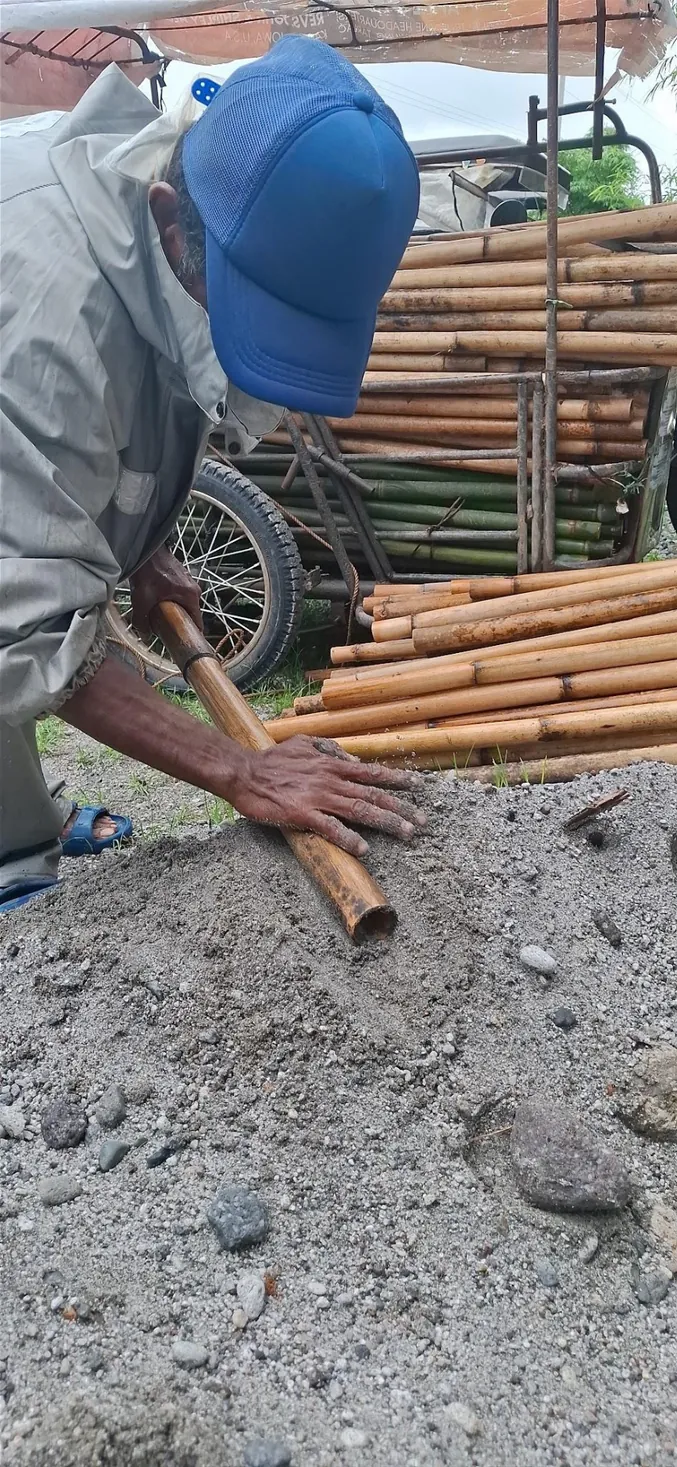
An Aeta harvester demonstrates how sand is used to remove rainy-season discoloration from bamboo, helping meet clients’ aesthetic preferences for clean, attractive bamboo.
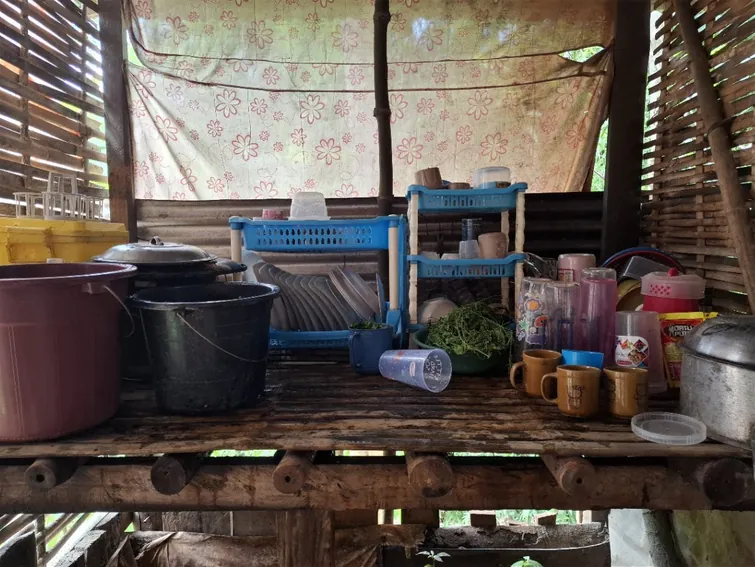
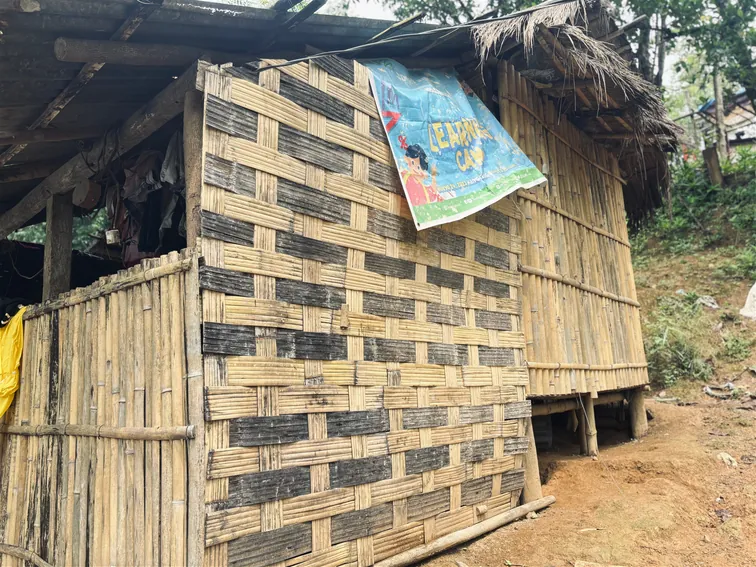
Bamboo in home
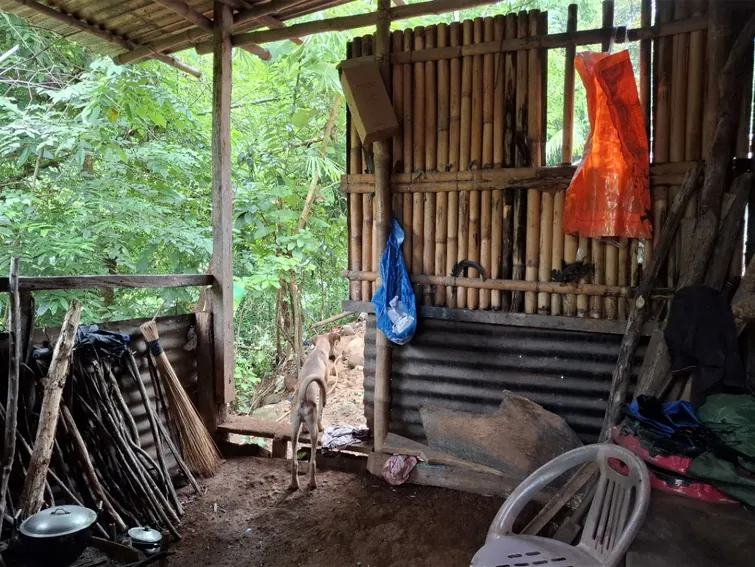
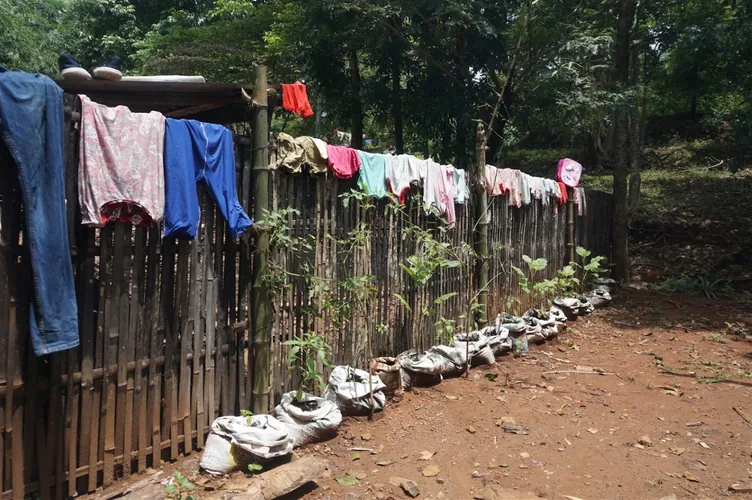
Bamboo used as fence
Bamboo and Women
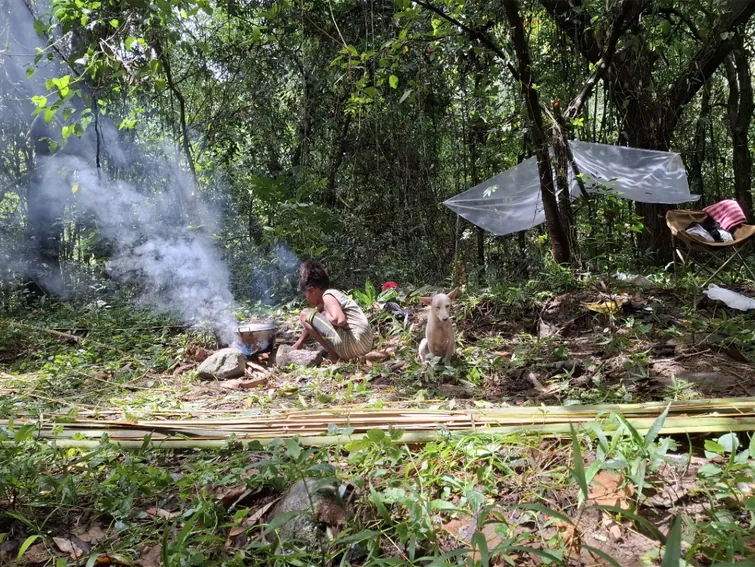
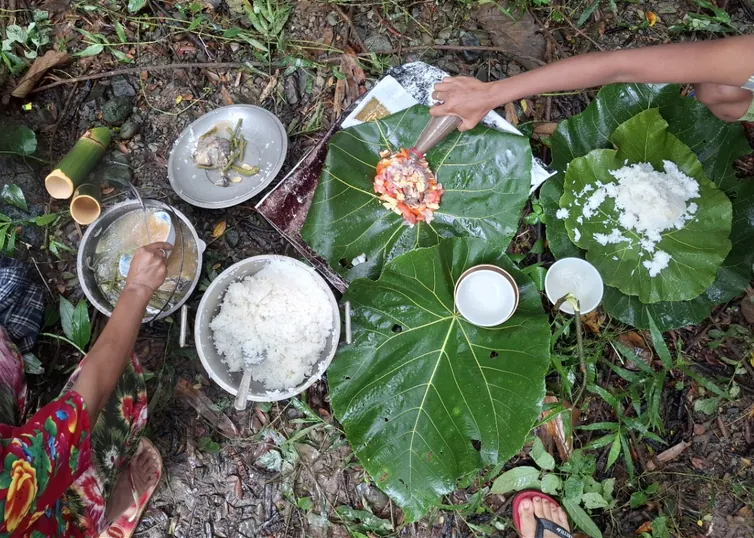
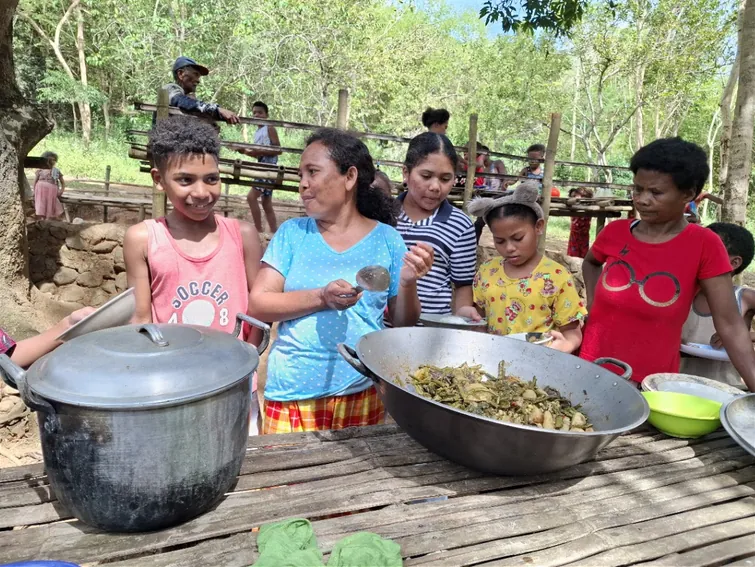
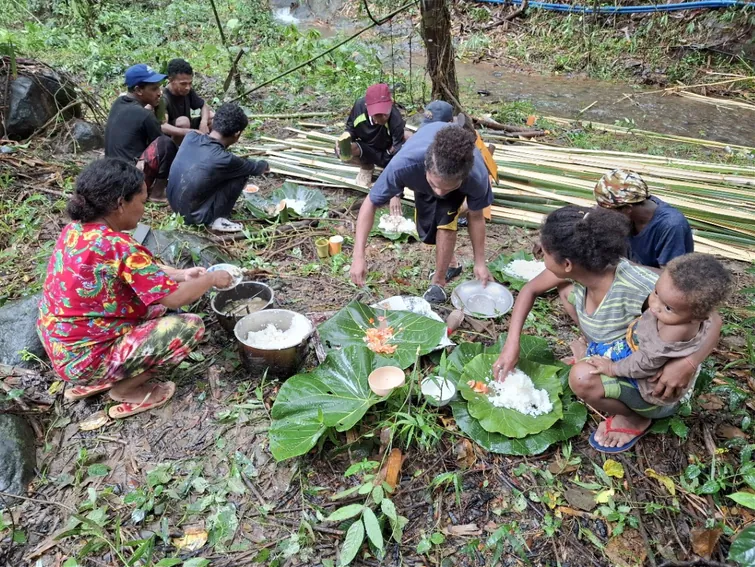
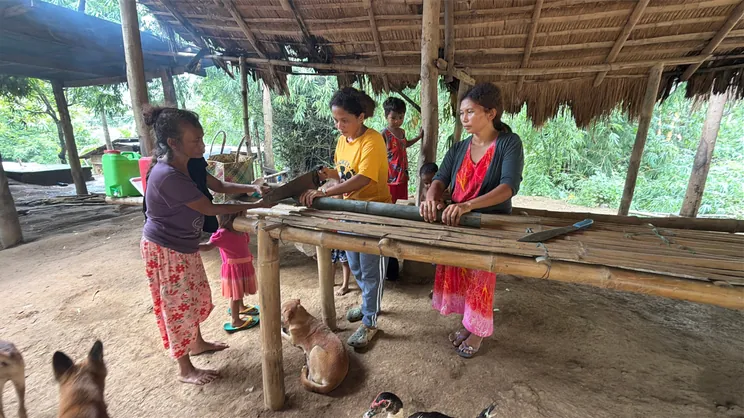
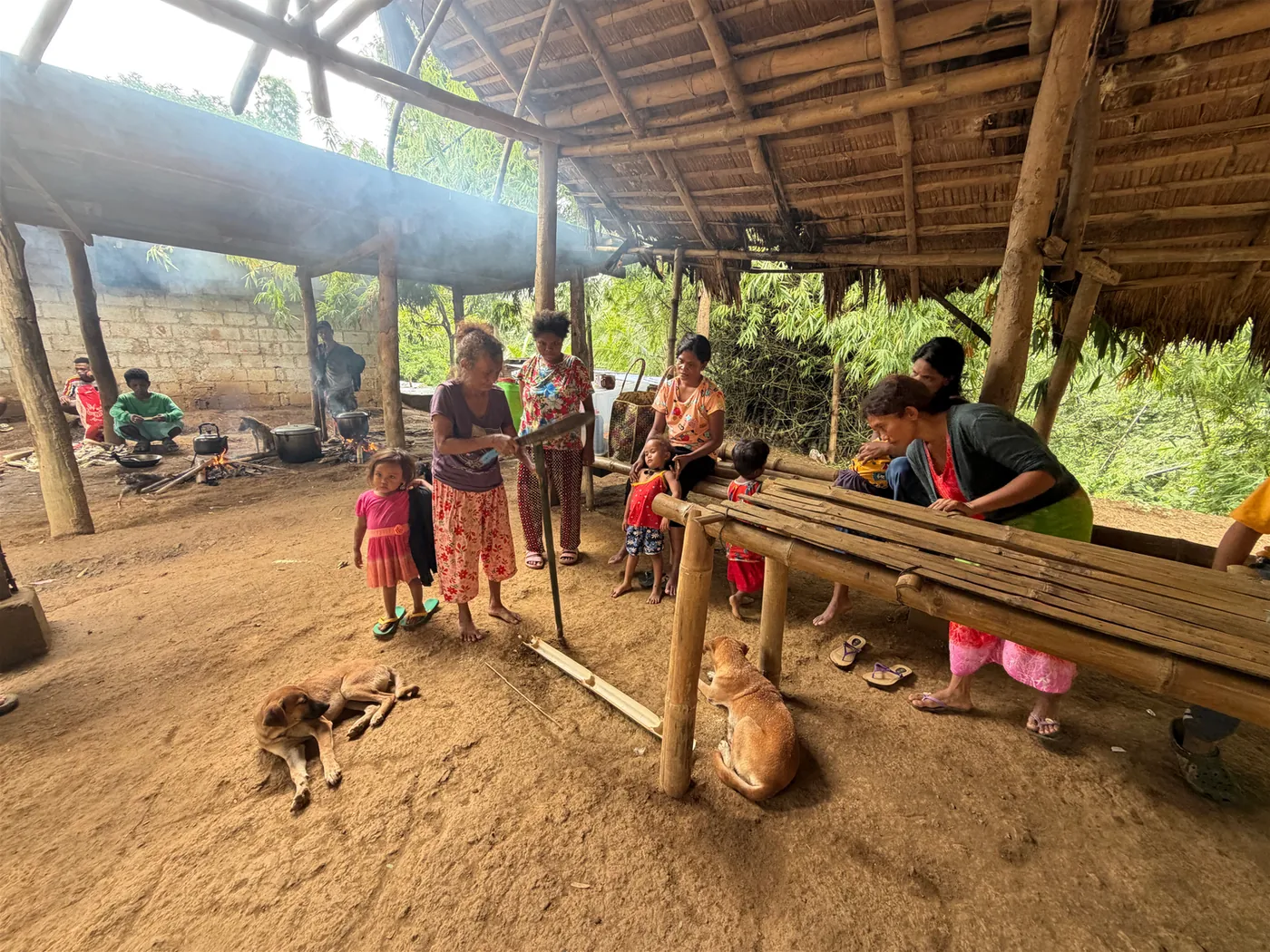
Women contribute to the bamboo value chain by supporting harvesters through food preparation and childcare while also taking active roles as community coordinators and representatives in livelihood and government matters.
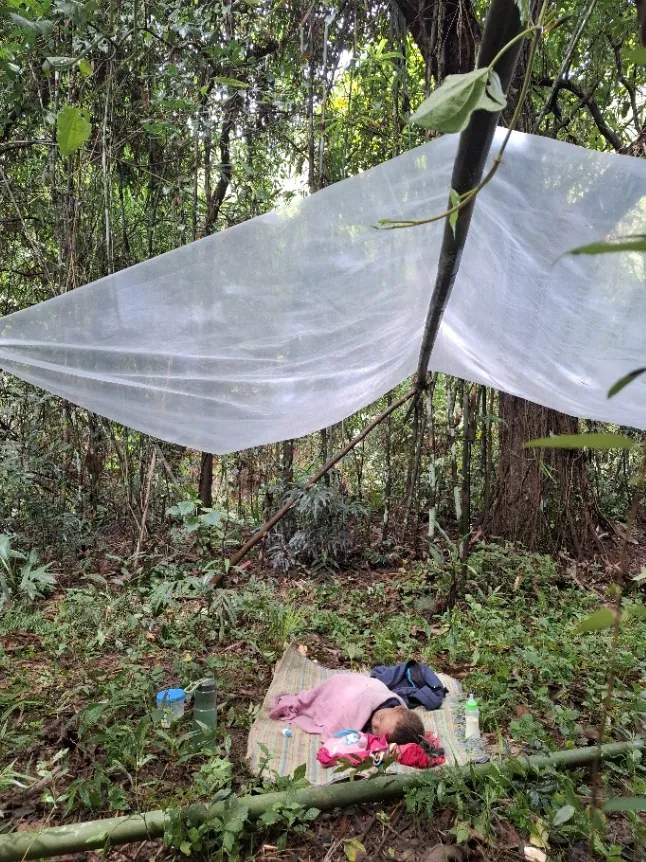
The women would also be the ones to distribute the food, ensuring that everyone is fed
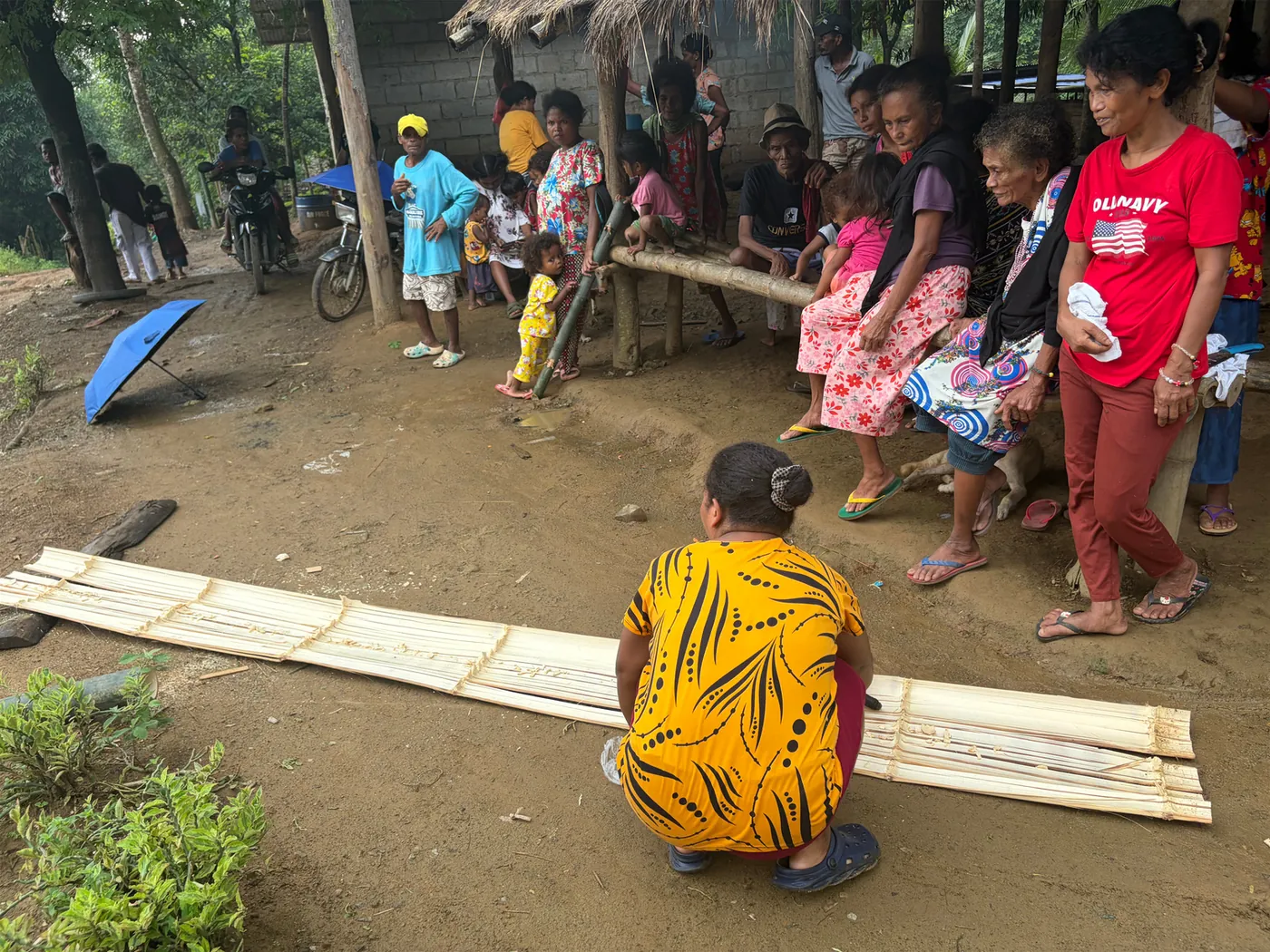
Bamboo Grading Workshop
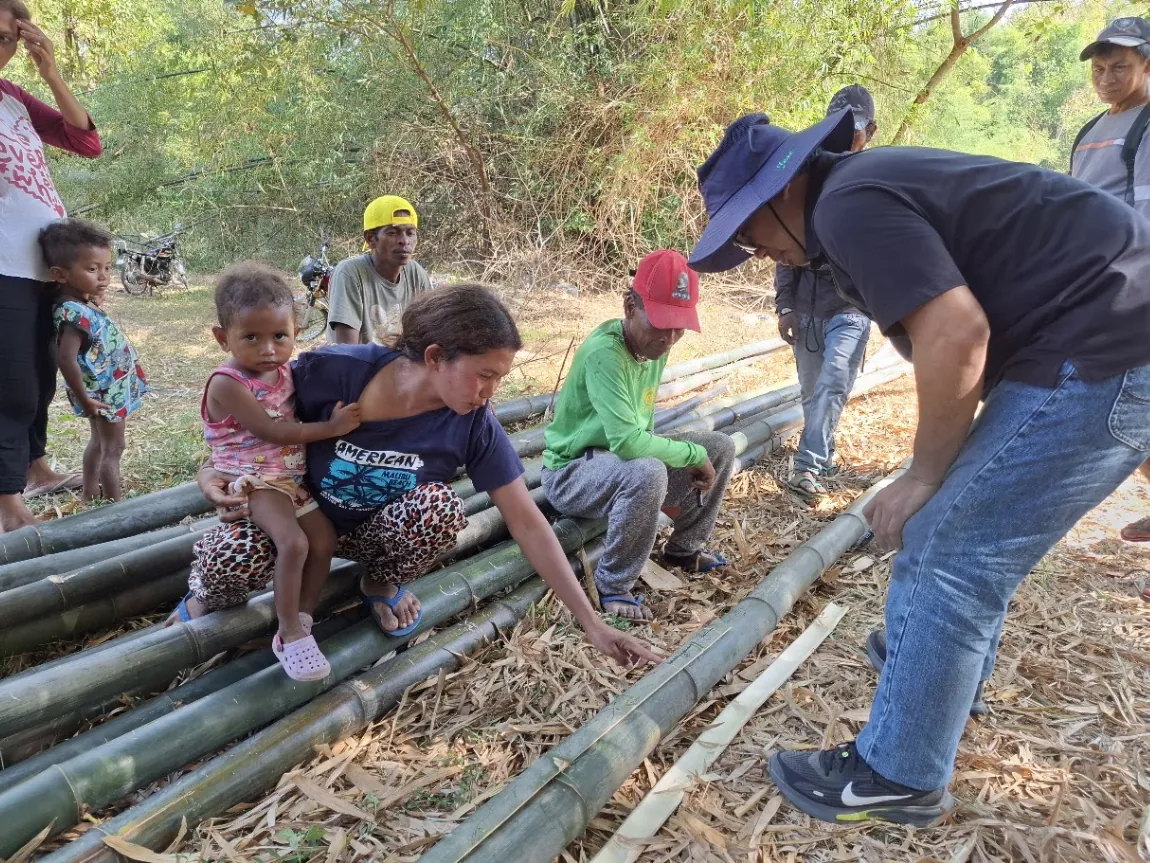
Women of Sitio Pokis during their bamboo grading workshop with Base Bahay Foundation.
Bamboo Flattening
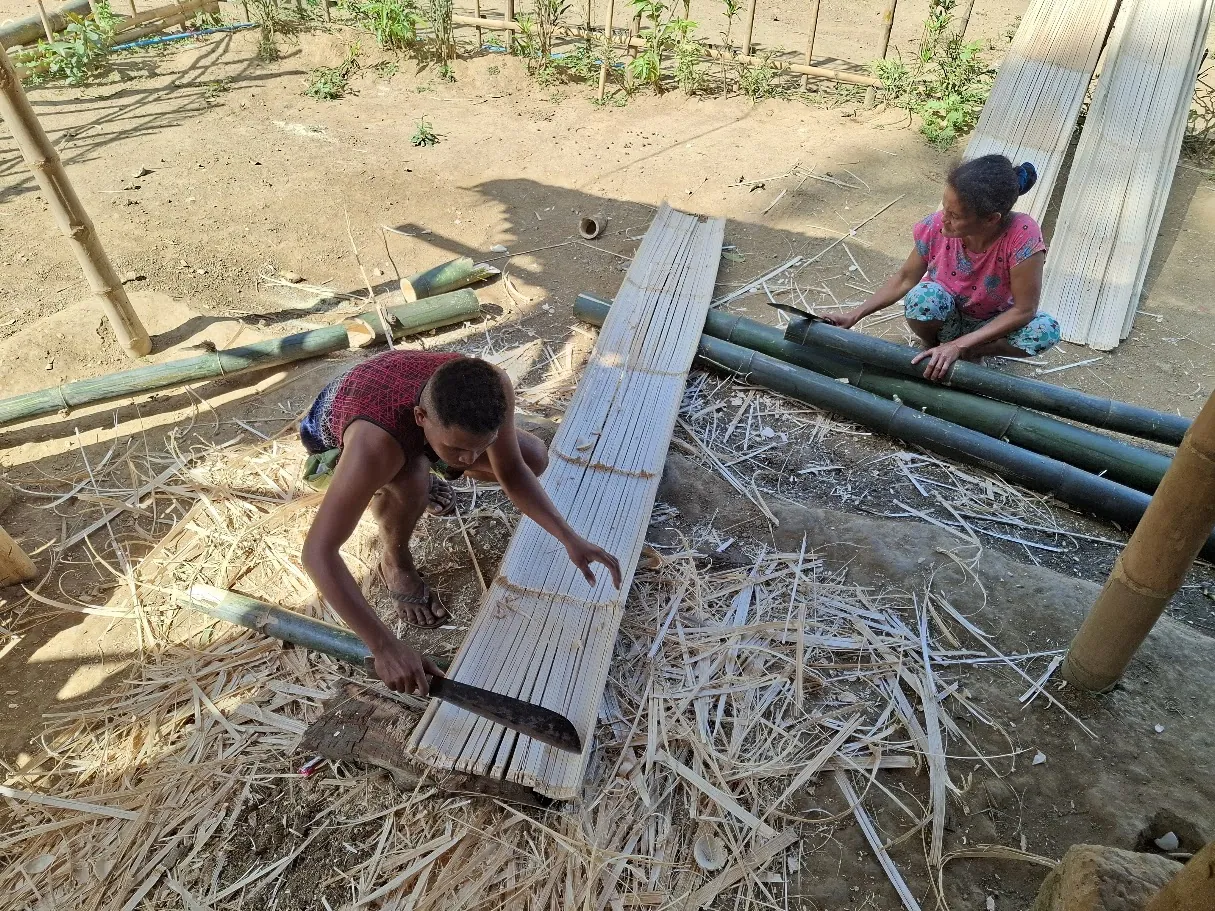
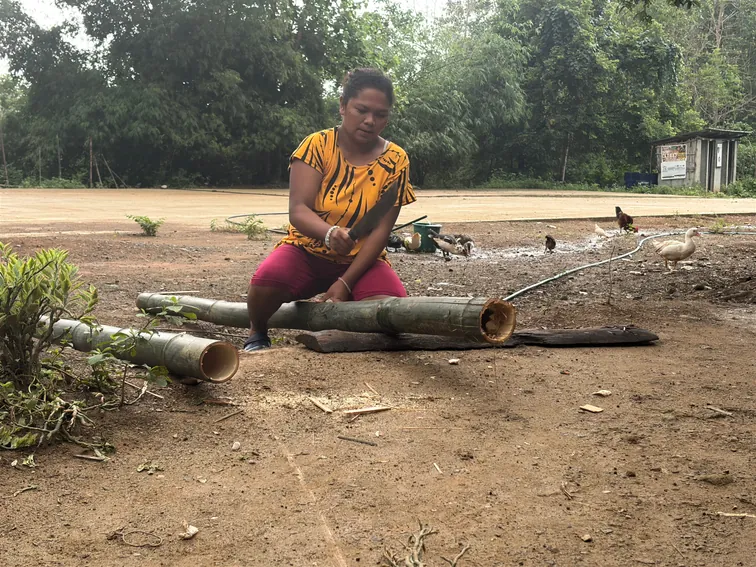
Splitting
Bamboo as Food
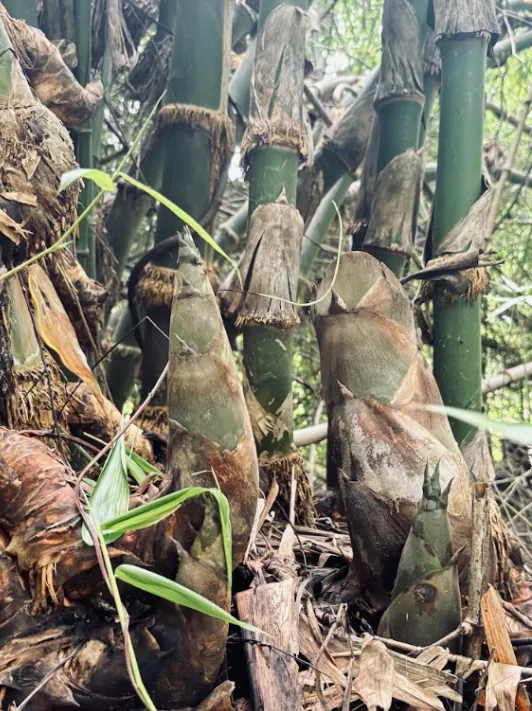
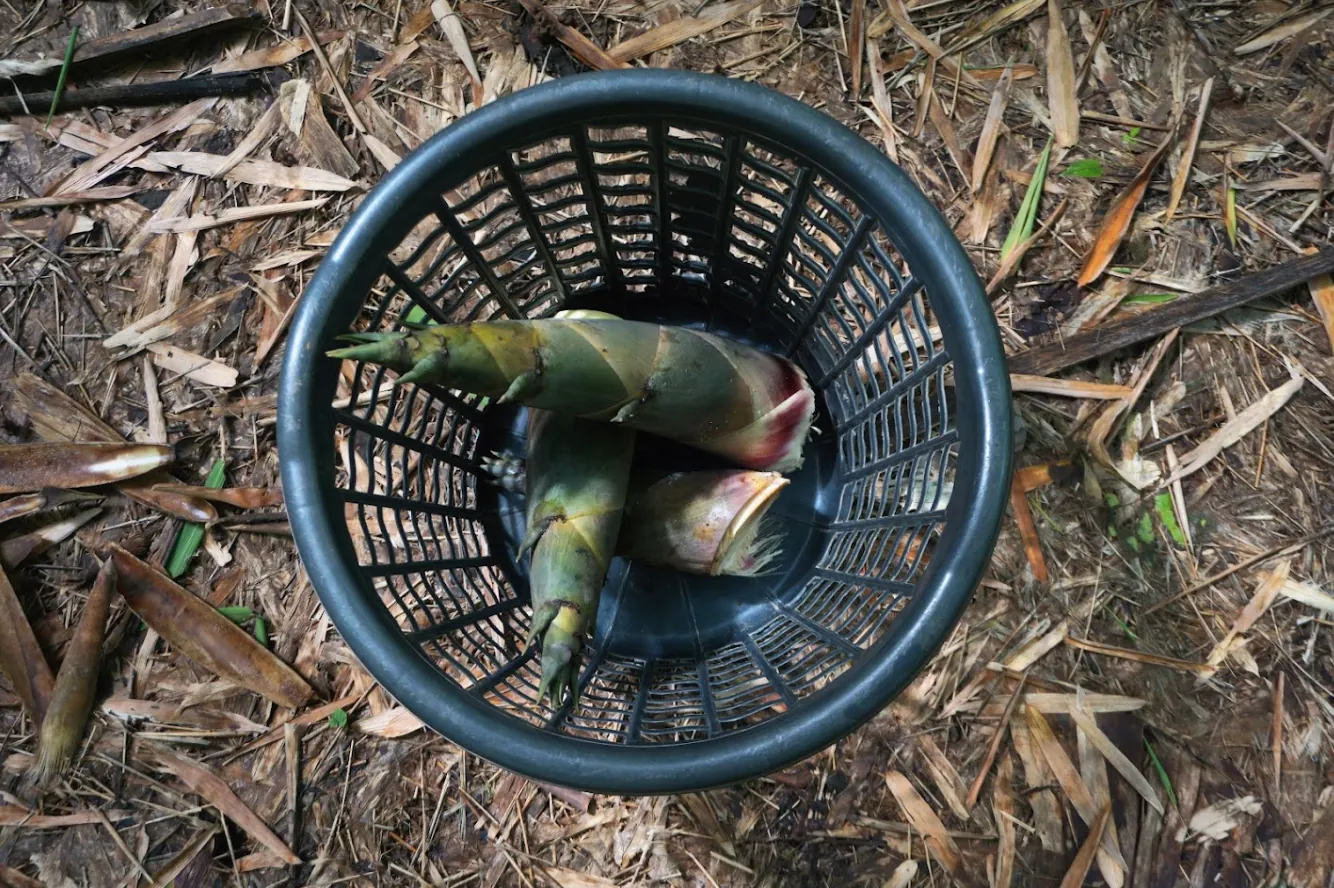
From June to August, labong (young bamboo shoots) is an important and readily available food source for families in Sitio Pokis, especially during the rainy season.
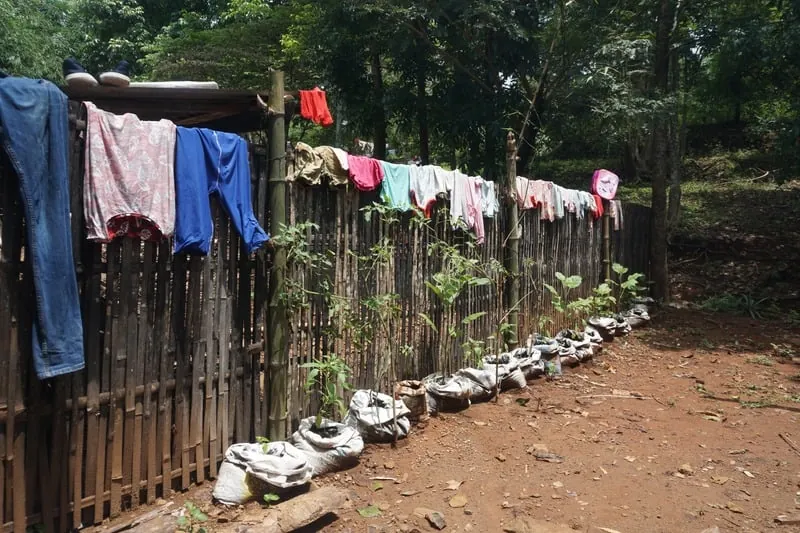
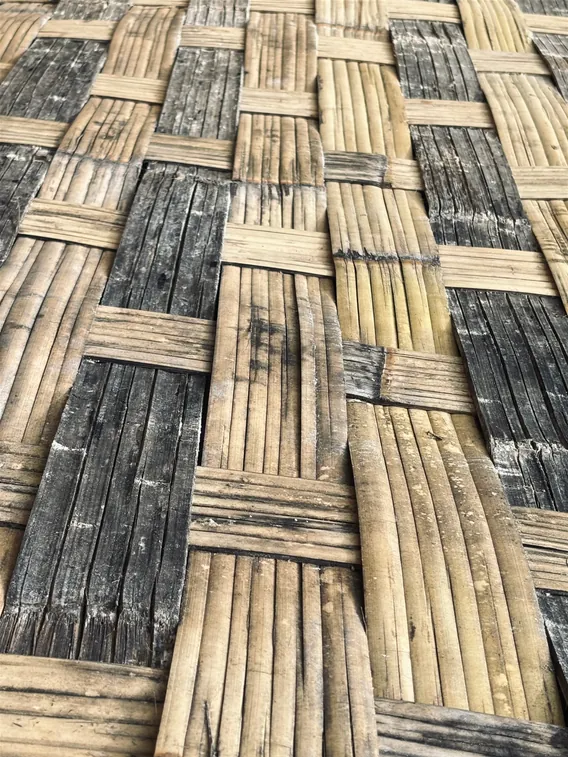
Bamboo as Fence
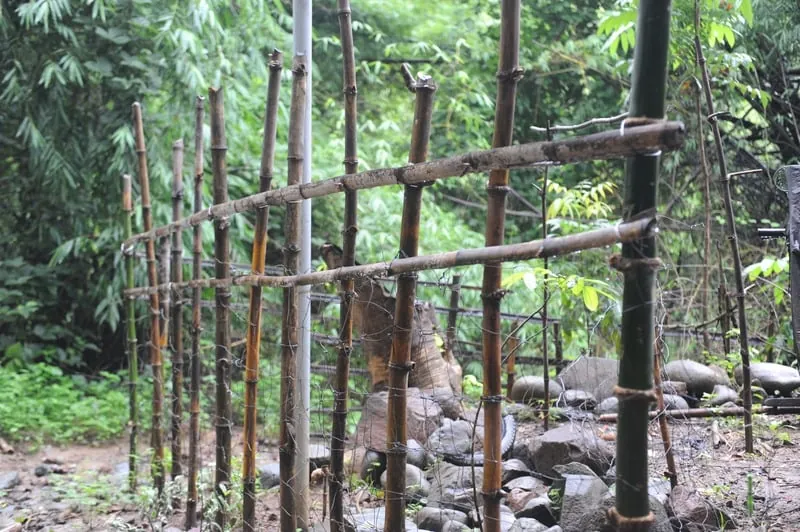
Bamboo as Fire Wood
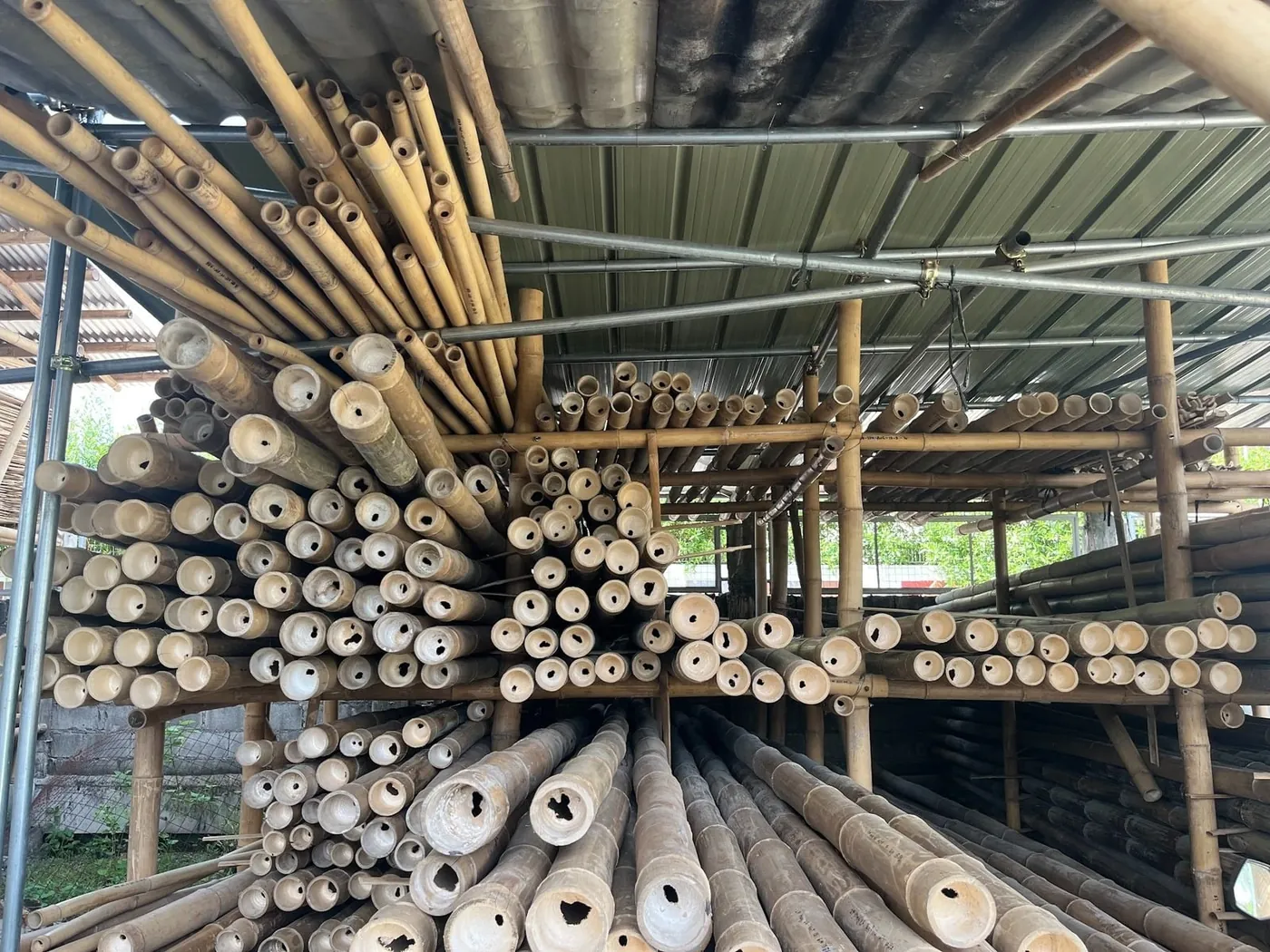
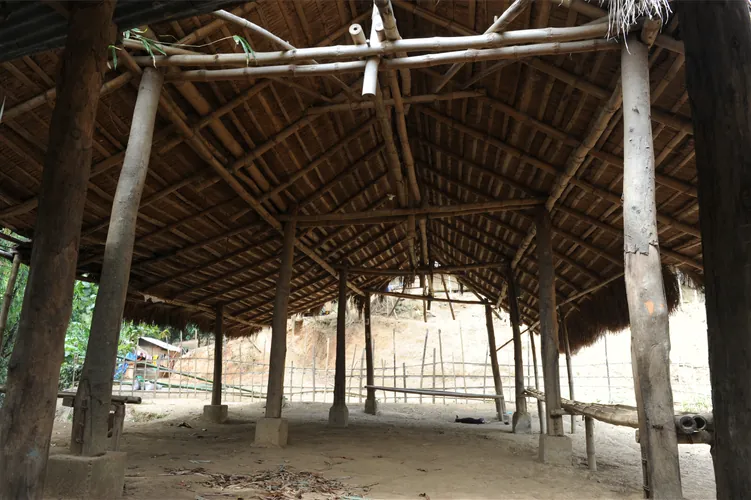
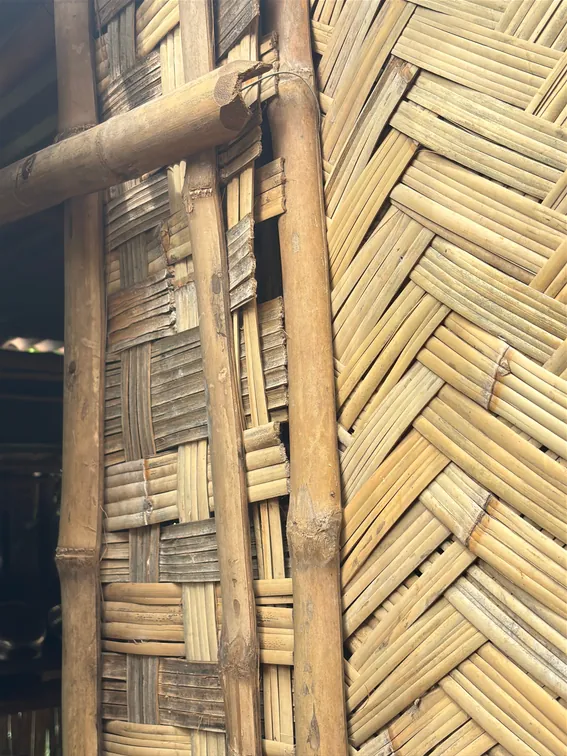
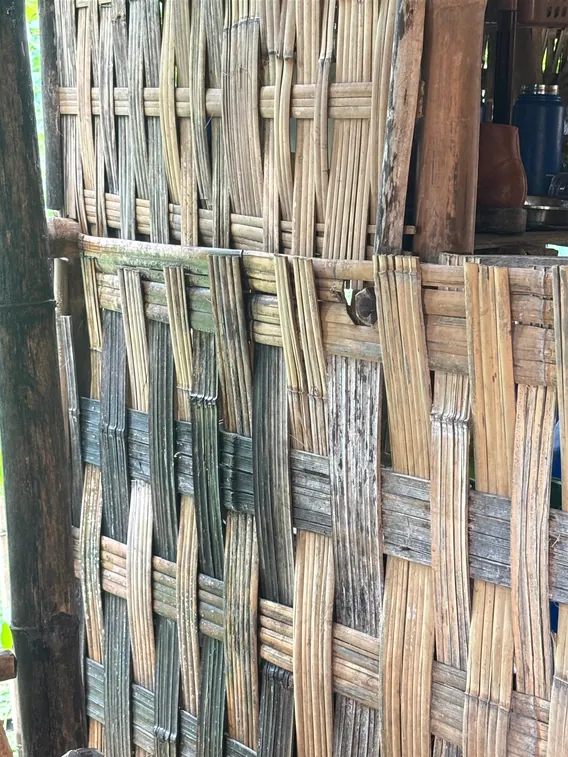
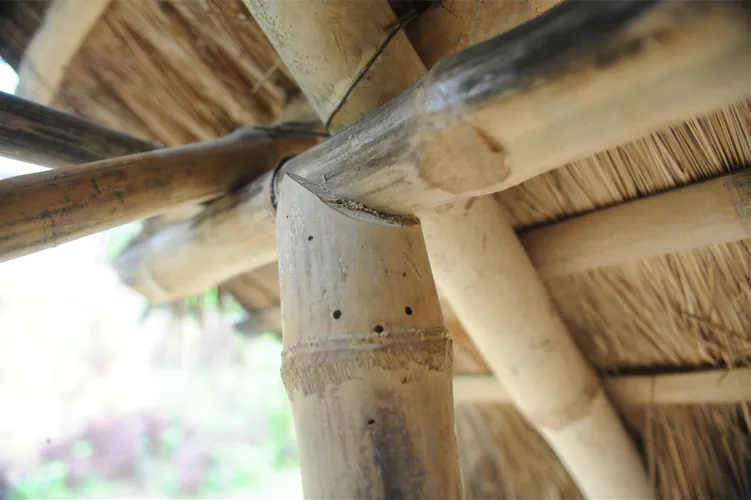
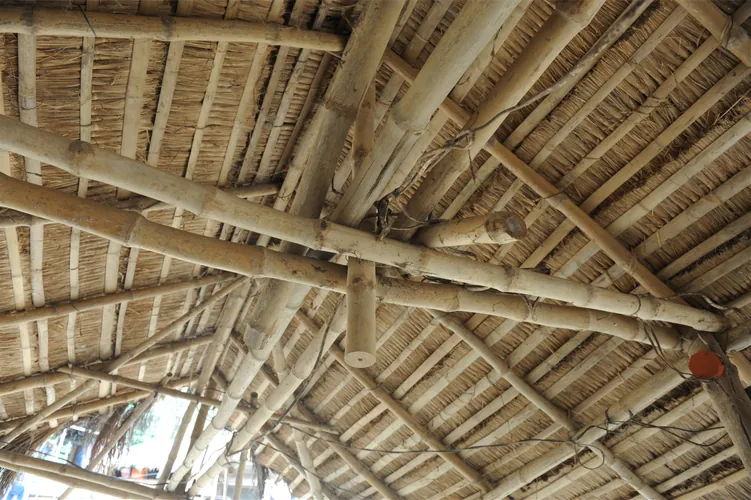
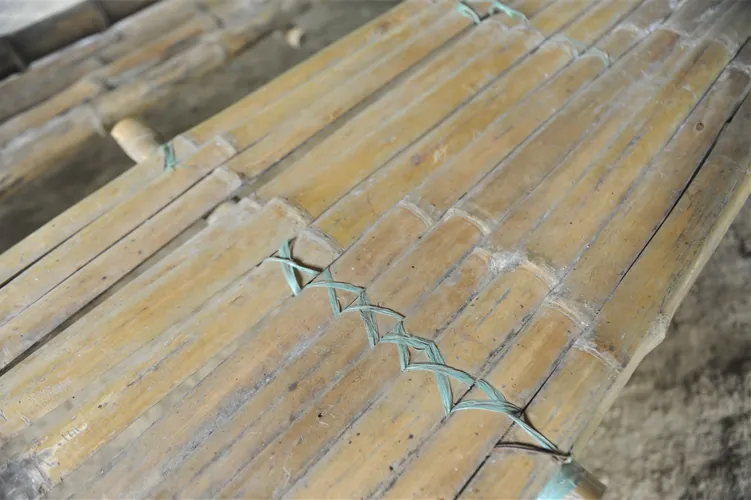
Bamboo as a Construction Material
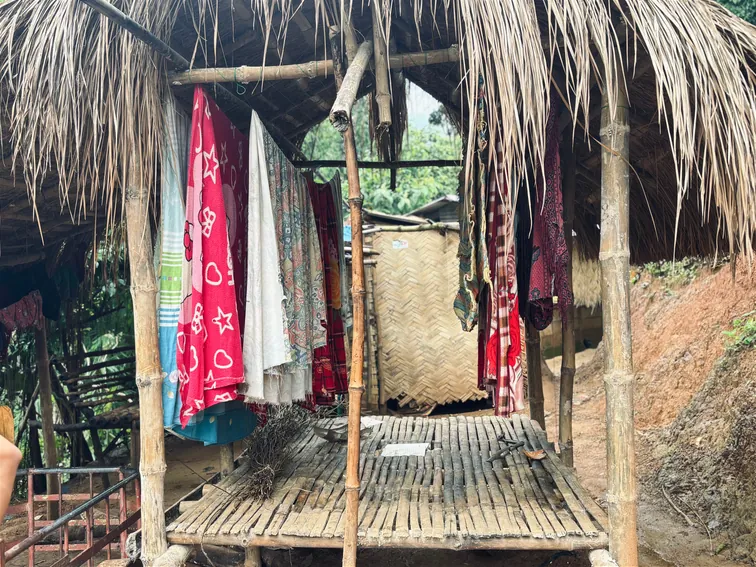
The People
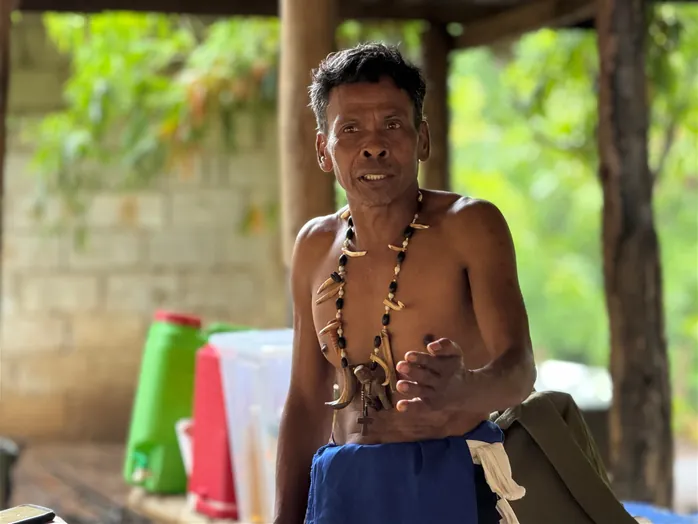
Chieftain Robert Sanchez
“We don’t ask for alms. We receive these gifts and we return them with what we have.”
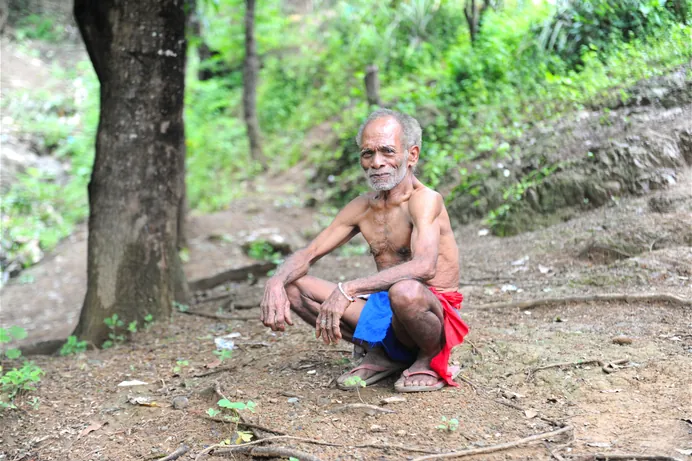
Community Elder
“Our traditions are part of who we are as a community”
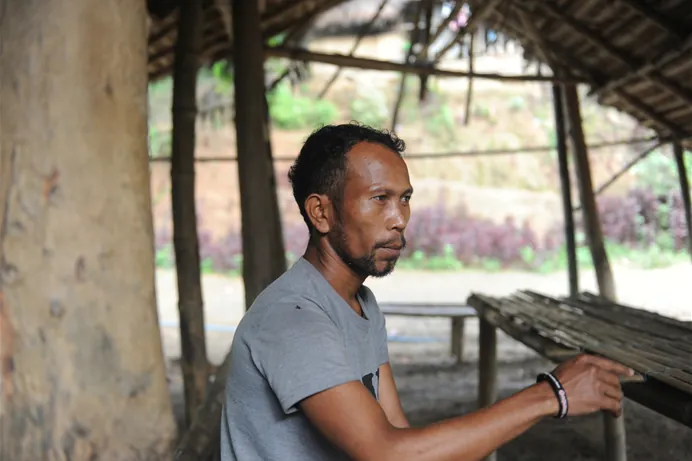
Jeremy
Sharing the knowledge, skills, and stories that keep Ayta culture alive.
Sitio Pokis Area
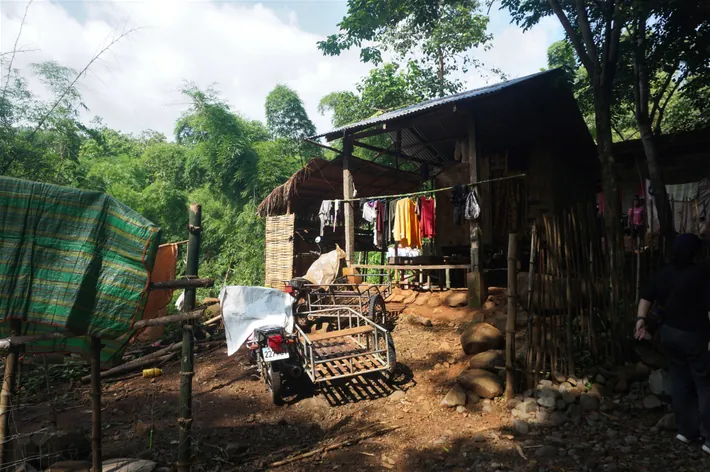
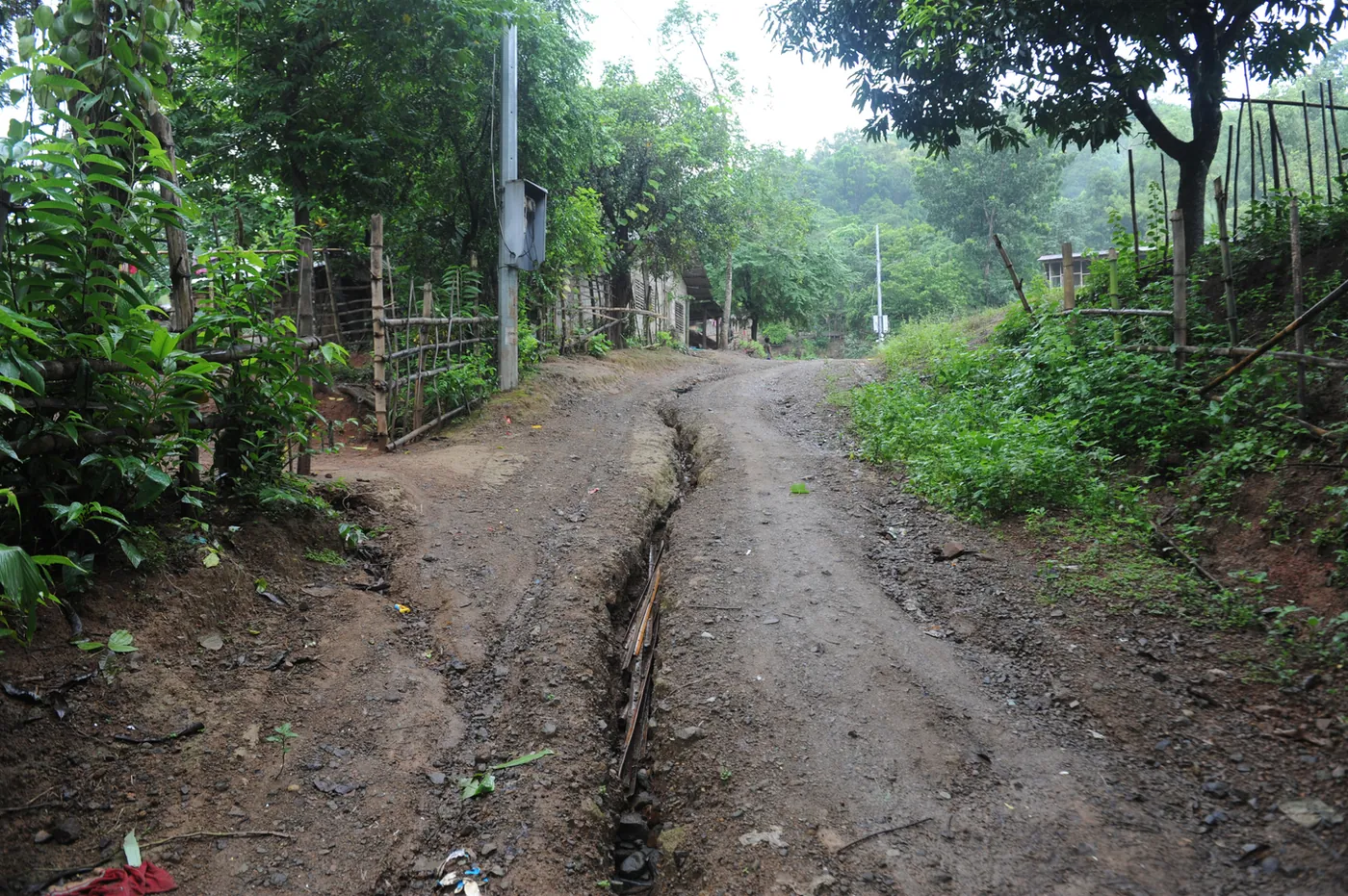
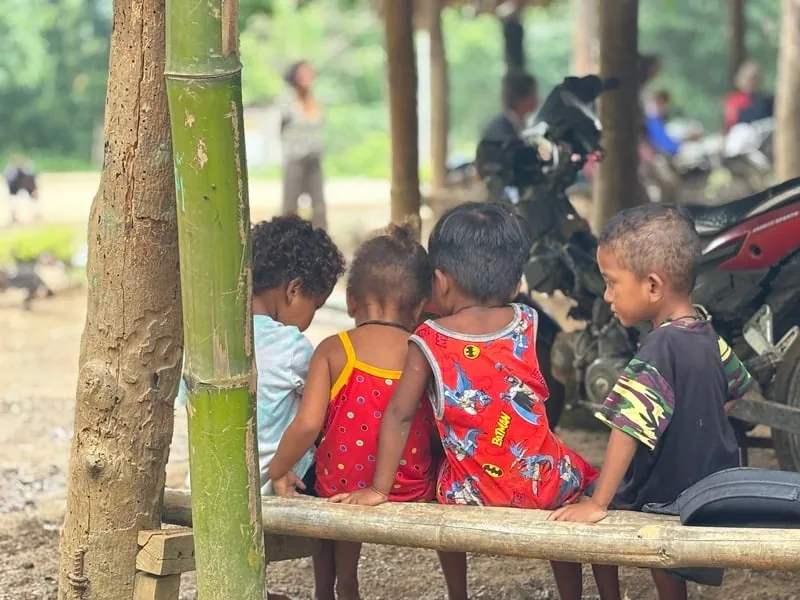
Sitio Pokis is an Aeta Indigenous community in Barangay Maasin, San Clemente, Tarlac, Central Luzon. The community maintains strong ties to traditional agriculture, ancestral lands, and Indigenous culture, while local initiatives have supported education, vegetable farming, and community-based livelihoods.
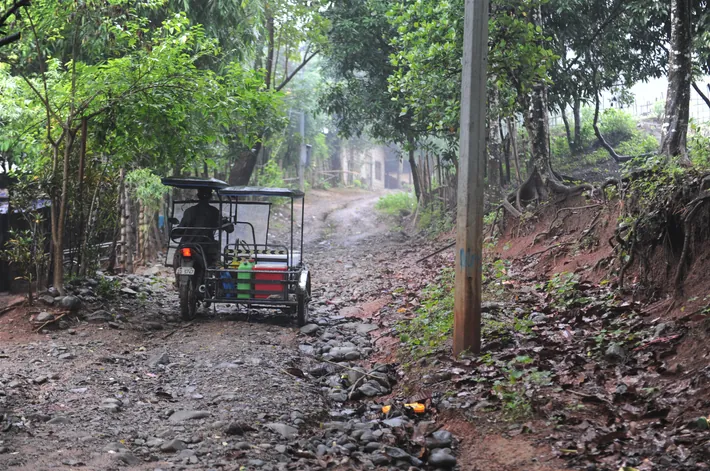
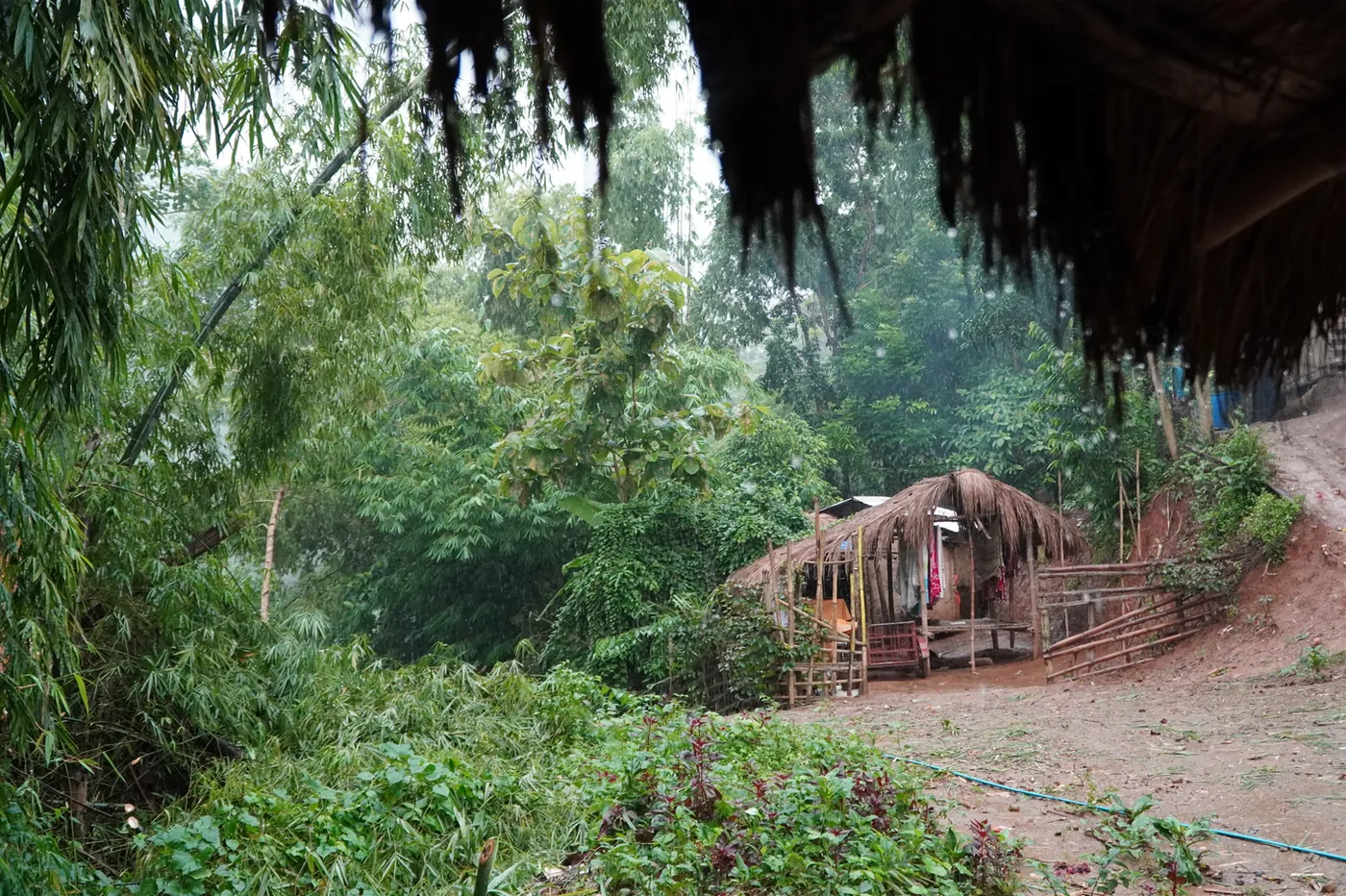
A Glimpse into the Ayta Magantsi Community
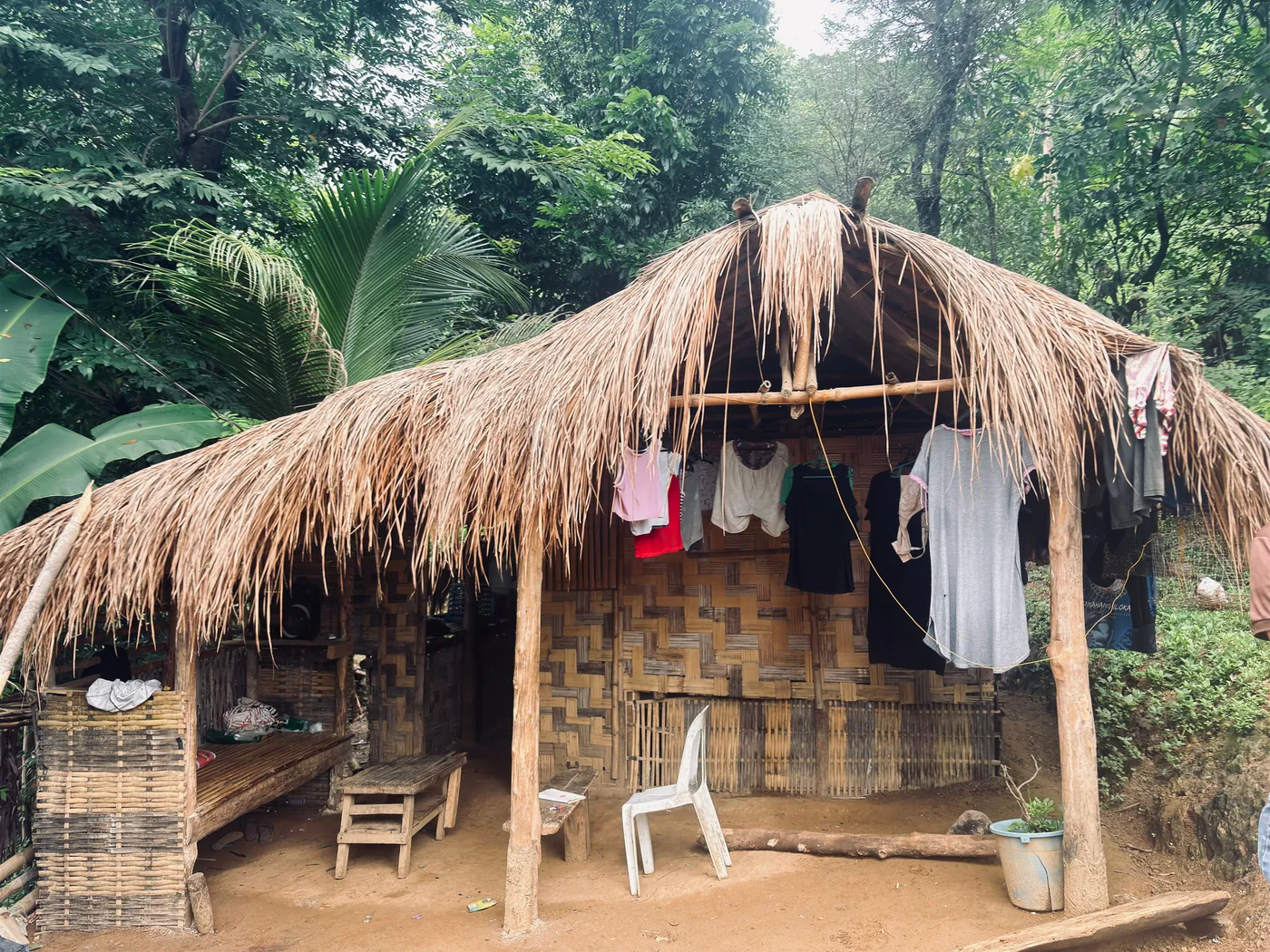
A glimpse into the Ayta Magantsi community — from daily life and livelihood to bamboo harvesting, processing, and traditional craftsmanship.
A traditional bamboo basket, handcrafted by the Ayta Magantsi community for everyday use.